


Best Way to Store Coffee Beans – Enjoying a cup of coffee with a rich aroma and well-balanced flavor depends on more than just the quality of the coffee beans or the brewing technique. One important factor that is often overlooked is how coffee beans are stored after the roasting process. Improper storage can affect their freshness, aroma, and overall flavor profile when brewed. This is why understanding the Best Way to Store Coffee Beans is essential, whether you are a home coffee enthusiast, a coffee shop owner, or someone involved in the coffee business.
Besides proper storage, another important factor that influences coffee quality is degassing. This process refers to the release of carbon dioxide (CO₂) produced during coffee roasting. Allowing coffee beans to degas for the right amount of time can help achieve better extraction and a more balanced cup. So, how should you store coffee beans to maintain their quality? How long can roasted coffee beans be stored, and when is the best time to brew them after roasting? Let us explore the answers below.
Why Is the Best Way to Store Coffee Beans Important?
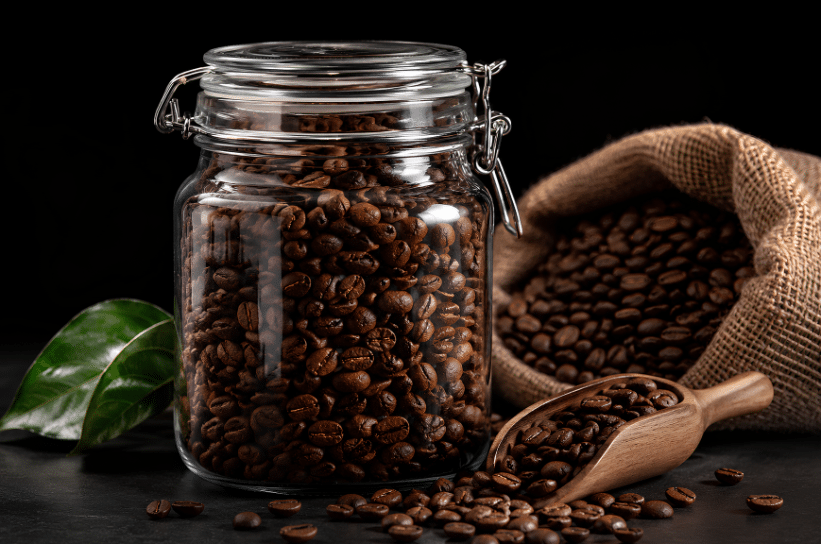
Coffee beans that have undergone the roasting process are relatively sensitive to their surrounding environment. After roasting, the beans naturally begin to change due to exposure to oxygen, moisture, light, and temperature. These factors can accelerate the deterioration of coffee quality, particularly in terms of aroma and flavor.
One of the main causes of declining coffee quality is oxidation. When coffee beans are frequently exposed to air, their aromatic compounds gradually undergo changes. As a result, the distinctive aroma of fresh coffee may fade, while its complex flavor characteristics become less noticeable. Coffee may eventually develop a flat or less pleasant taste when brewed.
In addition to oxygen, moisture is another factor that requires attention. Coffee beans stored in humid environments may absorb moisture from the surrounding air. This condition can affect their quality and increase the risk of developing unwanted aromas. Therefore, proper storage is not simply about making coffee last longer; it is also about preserving the flavor characteristics developed during roasting.
The Best Way to Store Coffee Beans to Preserve Their Aroma and Flavor
Understanding the Best Way to Store Coffee Beans is actually quite simple. The most important thing is to protect the beans from excessive exposure to external factors that can accelerate quality deterioration. Here are several practical storage methods you can follow.
1. Use an Airtight Container
An airtight container is one of the best options for storing coffee beans, especially after opening the original packaging. This type of container helps minimize contact between the beans and oxygen, slowing down the oxidation process. Choose containers made from glass, ceramic, or food-grade materials with tightly sealed lids.
If you purchase coffee in specially designed packaging with a one-way valve, the beans can remain in their original packaging as long as the closure system is still functioning properly. A one-way valve allows gases released during roasting to escape without easily allowing outside air to enter.
2. Avoid Direct Sunlight
Light exposure, particularly direct sunlight, can accelerate changes in coffee bean quality. The heat generated by sunlight may also affect the stability of the aromatic compounds and flavor components within the beans.
For this reason, store coffee beans inside a cupboard or enclosed storage area away from direct sunlight. A cool environment with relatively stable temperatures will help maintain more consistent coffee quality.
3. Keep Coffee Beans Away from Moisture and Strong Odors
Coffee beans have the ability to absorb aromas from their surrounding environment. When stored near spices, strongly scented food ingredients, or other aromatic products, their original fragrance and flavor characteristics may change.
Make sure the storage area is clean, dry, and free from unwanted odors. Avoid storing coffee beans near stoves, sinks, or other areas with high humidity levels.
4. Store Coffee Beans Whole
Whenever possible, keep coffee beans whole and grind them shortly before brewing. Ground coffee has a much larger surface area exposed to air compared to whole beans. This causes aromatic compounds to dissipate more quickly and oxidation to occur at a faster rate.
By grinding only the amount of coffee needed for each brewing session, you can better preserve its freshness, aroma, and distinctive flavor characteristics.
How Long Can Coffee Beans Be Stored After Roasting?
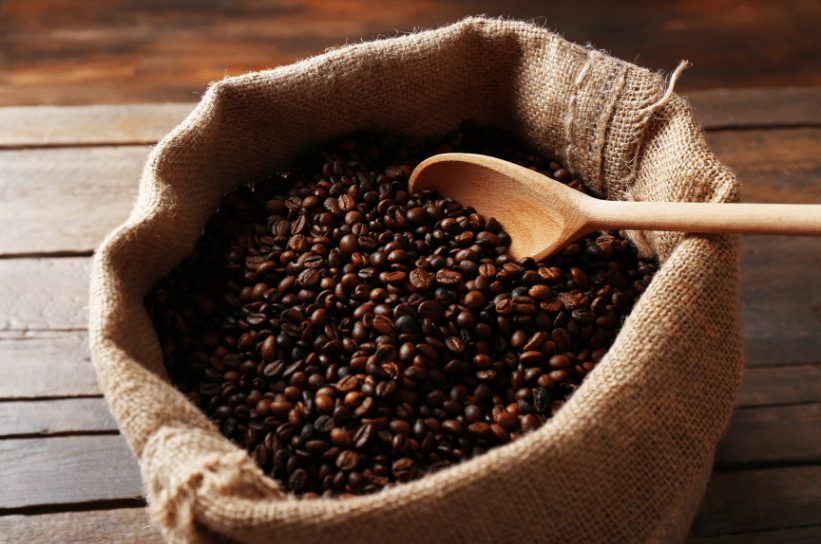
After understanding the proper storage methods, the next question is how long coffee beans can maintain their quality after roasting. Essentially, there is no single storage duration that applies to every type of coffee. Shelf life and quality retention depend on several factors, including roast level, bean variety, packaging conditions, and storage environment.
As a general guideline, freshly roasted coffee beans continue to release gas during the first few days after roasting. When stored properly in suitable packaging, coffee can maintain its best sensory qualities for several weeks after the roasting date.
For everyday consumption, many coffee roasters and enthusiasts consider approximately 2–6 weeks after the roasting date a reasonable period for enjoying coffee, although the optimal window may vary.
Coffee that has been stored for too long does not automatically become unsafe to consume. However, its aroma and flavor may gradually deteriorate. Therefore, always check the roasting date, packaging condition, and any noticeable changes in aroma before brewing.
Understanding the Degassing Process in Roasted Coffee Beans
Besides proper storage, degassing also plays an important role in determining coffee quality. Degassing is the process through which carbon dioxide (CO₂), produced and trapped inside the bean structure during roasting, gradually escapes.
When coffee beans are roasted, various chemical reactions take place, producing gases. Some of these gases remain trapped inside the beans and are gradually released after the roasting process is complete. This explains why freshly roasted coffee sometimes produces a significant amount of bubbles when exposed to hot water.
Degassing is a natural part of coffee development. However, if coffee is brewed too soon after roasting, the relatively high amount of remaining carbon dioxide can interfere with the contact between water and coffee particles. This may result in uneven extraction, causing the flavor to taste less balanced or less developed.
Allowing coffee beans to rest for a certain period gives them time to release some of their trapped gases. As a result, the extraction process can become more stable, making the coffee’s flavor characteristics easier to identify.
When Is the Best Time to Brew Coffee After Roasting?
Best Way to Store Coffee Beans and the best time to brew coffee after roasting is a common question, especially among those who want to achieve the best possible aroma and flavor in every cup. The answer depends on several factors, including the coffee variety, roast level, brewing method, and individual taste preferences.
In general, the following resting periods can serve as a useful guideline:
1. Light Roast: Approximately 7–14 Days
Light roast coffee generally requires a longer resting period because its bean structure tends to be denser, and gas release may take longer. Allowing approximately 7–14 days of resting after roasting can help produce more consistent extraction, particularly when using espresso brewing methods.
For pour-over brewing, some light roast coffees may also develop more interesting flavor characteristics after going through this resting period.
2. Medium Roast: Approximately 5–10 Days
Medium roast coffee offers a relatively balanced combination of acidity, sweetness, and body. This roast level can generally be enjoyed after several days of resting.
A period of approximately 5–10 days can be a good starting point for exploring its flavor profile. During this period, the coffee’s aroma and flavor usually become more integrated.
3. Dark Roast: Approximately 2–7 Days
Dark roast coffee has a more developed bean structure due to its longer or more intense exposure to heat during roasting. Gas release from this type of coffee often occurs more quickly.
Therefore, dark roast coffee can generally be tested after approximately 2–7 days. However, the ideal resting period still depends on the bean characteristics and brewing method.
It is important to remember that these timeframes are not absolute rules. The best way to determine the ideal brewing time is through regular testing. Try brewing the same coffee on different days to observe changes in aroma, acidity, sweetness, and body until you find the flavor profile that best suits your preferences.
Tips for Determining the Right Brewing Time
Best Way to Store Coffee Beans – Determining the best time to brew coffee does not have to rely on guesswork. There are several simple steps you can follow to achieve more consistent brewing results.
First, always record the roasting date on every coffee package. This information helps you determine how long the beans have been resting and undergoing degassing. Second, maintain consistent coffee measurements, water ratios, temperatures, and brewing techniques when conducting tests. This makes it easier to identify any changes in flavor over time.
Next, pay attention to the aroma and extraction results. Coffee that still contains a relatively high amount of carbon dioxide may produce excessive bubbling during brewing. Meanwhile, coffee that has reached a suitable resting period generally produces more stable extraction.
Through this simple testing process, coffee enthusiasts can gain a deeper understanding of each bean’s characteristics while discovering the brewing time that delivers the most enjoyable results.
Royal Hindia: A Recommended Supplier of Quality Bali Coffee Beans
Choosing high-quality coffee beans is the first step toward producing a satisfying cup of coffee. However, bean quality must also be supported by proper handling and storage practices to ensure that the coffee’s original characteristics are maintained until they reach consumers.
For coffee business owners, coffee shop operators, and coffee enthusiasts who require a reliable supply of beans, choosing the right supplier is an important consideration. Product availability, quality consistency, and an understanding of coffee bean characteristics are some of the aspects worth evaluating before selecting a supplier.
One brand worth considering is Royal Hindia, a Supplier of Coffee Beans in Bali. With coffee bean supply optionFs for business and consumption needs, Royal Hindia can be one of the references for those looking for a coffee supplier in Bali.
Whether you operate a coffee shop, restaurant, or another coffee-related business, make sure to choose coffee beans that match your business concept and the flavor profile you want to offer your customers. With the right raw materials, proper handling, and a good understanding of the degassing period, you can create a more enjoyable coffee experience.
Ultimately, understanding the Best Way to Store Coffee Beans is not simply about extending their storage life. It is also about preserving the aroma and flavor developed during the roasting process. Combining proper storage methods with an appropriate resting period will help produce a cup of coffee with a more balanced and enjoyable flavor profile.
Q&A About the Best Way to Store Coffee Beans and Degassing
1. Should Coffee Beans Be Stored in the Refrigerator?
Storing coffee beans in the refrigerator is generally not recommended as an everyday storage method. Temperature and humidity changes when the packaging is taken out can cause condensation. Additionally, coffee beans may absorb odors from other food products. It is better to store coffee in an airtight container in a cool, dry place away from direct sunlight.
2. Can Coffee Be Brewed Immediately After Roasting?
Yes, but the results may not be optimal. Freshly roasted coffee beans still contain relatively high amounts of carbon dioxide. Allowing the beans to rest for several days helps the degassing process, resulting in more stable extraction and a more balanced flavor.
3. Can Coffee Still Be Consumed After the Degassing Period?
Absolutely. Degassing is not a process with a clearly defined expiration point. Coffee can still be consumed after most of its trapped gases have been released, provided it has been stored properly and shows no signs of spoilage. However, the longer coffee is stored, the more its aroma and flavor quality may deteriorate.
Editorial note: This article uses original English wording while retaining the structure and key discussion points of the Indonesian version. Statements about Royal Hindia are presented in general terms and should be verified against the brand’s official product and service information before publication.