


Why Is Specialty Coffee Expensive? What You’re Really Paying For
Why Is Specialty Coffee Expensive? - A cup of specialty coffee can cost noticeably more than an ordinary cup of coffee. But Why Is Specialty Coffee Expensive when coffee is ultimately made from the same basic ingredient: roasted coffee beans?
The answer goes far beyond the beans themselves. The price of specialty coffee reflects a combination of farming practices, selective harvesting, processing, traceability, quality control, roasting expertise, and the effort required to preserve desirable characteristics from the farm to the final cup.
For coffee enthusiasts and cafes, understanding these factors makes the price easier to evaluate—and reveals why higher-priced coffee can deliver significantly more value.
 Why Is Specialty Coffee Expensive in the First Place?
 Why Is Specialty Coffee Expensive in the First Place?
To understand Why Is Specialty Coffee Expensive, start at the farm.
Specialty coffee generally requires greater attention to growing conditions, harvesting, processing, and quality control. Coffee cherries need to be harvested at the right level of ripeness rather than collected indiscriminately.
Selective harvesting requires more labor. Workers need to identify ripe cherries and leave underdeveloped or overripe fruit for later collection.
That additional labor directly affects production costs.
The result, however, can be a cleaner and more expressive coffee with characteristics that are difficult to achieve through high-volume harvesting.
Specialty Coffee Starts With Better Green Beans
One of the biggest factors behind the price of specialty coffee is the quality of the green beans.
Coffee quality can be influenced by altitude, soil, climate, coffee variety, farming methods, and post-harvest processing. Certain growing regions naturally produce distinctive flavor profiles because of their environmental conditions.
For Specialty Coffee Bali, these factors are particularly interesting because Bali has established coffee-growing areas with different elevations, microclimates, and processing traditions.
A high-quality coffee may offer recognizable notes such as citrus, tropical fruit, chocolate, caramel, nuts, spices, or floral characteristics.
These flavor differences are not simply added during roasting. They begin with the coffee plant and how the cherries are cultivated and processed.
Labor and Selective Harvesting Add Real Costs
When asking Why Is Specialty Coffee Expensive, labor is one of the most important factors to consider.
Producing specialty-grade coffee often requires careful harvesting and sorting. Coffee cherries must be selected according to ripeness, then processed with attention to consistency.
This is very different from treating coffee as a purely agricultural commodity.
More labor is required to maintain quality at multiple stages, from picking and sorting to drying and storage.
For farmers, higher production costs can be justified when buyers recognize quality and support better prices for carefully produced coffee.
Processing Can Change the Value of Coffee
The processing method also contributes to the final character and value of specialty coffee.
Common methods include washed, natural, honey, and other variations. Each method requires different handling and can influence the coffee's sweetness, acidity, body, clarity, and fruit characteristics.
Natural processing, for example, requires careful drying and monitoring to prevent unwanted fermentation or defects.
Washed processing involves additional water and processing steps to remove the fruit from the coffee seed.
These processes require knowledge, infrastructure, time, and quality control.
Therefore, Why Is Specialty Coffee Expensive cannot be answered by looking only at the cost of harvesting. What happens after harvesting can be equally important.
Traceability Is Part of the Value
Another factor that separates specialty coffee from commodity coffee is traceability.
A specialty coffee may be associated with a specific farm, cooperative, region, variety, elevation, or processing method. This information allows buyers and consumers to understand more about where their coffee comes from.
Traceability can also create stronger relationships between producers, roasters, cafes, and consumers.
For a cafe, knowing the origin and characteristics of a coffee can become part of the customer experience. Instead of simply selling "coffee," the business can communicate the story and sensory identity behind the cup.
Why Roasting Expertise Matters
Green coffee still needs to be transformed into a finished product that can express its potential.
This is where the roaster plays a critical role.
Roasting is not simply about making beans darker. Temperature, time, development, airflow, and roast progression can all affect the final flavor.
A skilled roaster develops a profile that works with the characteristics of the green bean.
For Specialty Coffee Bali, this can mean highlighting the natural sweetness, acidity, body, or distinctive regional character instead of covering those qualities with excessive roasting.
At Royal Hindia, the roasting process is an important part of translating quality green beans into a coffee experience suitable for enthusiasts, cafes, and hospitality businesses.
Quality Control Means Less Room for Defects
Another answer to Why Is Specialty Coffee Expensive is the amount of quality control involved.
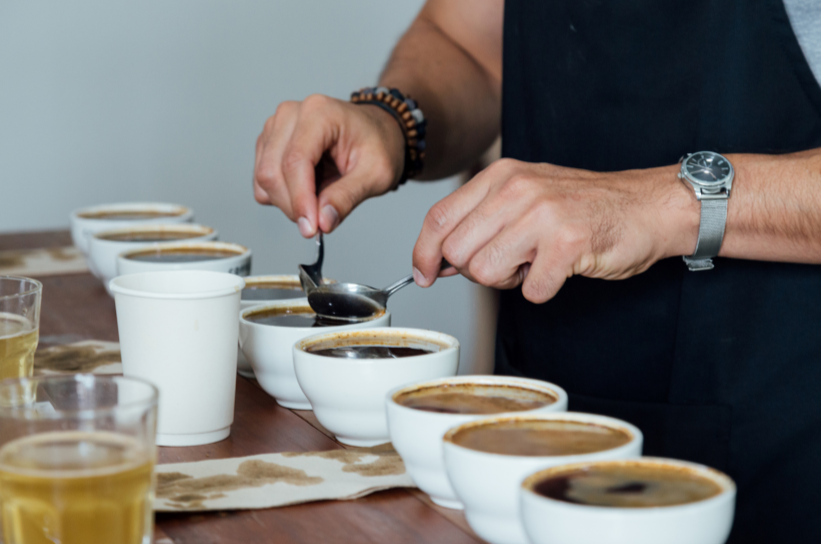
Specialty coffee requires attention to defects at multiple stages. Green beans may be evaluated before roasting, while roasted coffee can be assessed through cupping and brewing.
Cupping allows professionals to evaluate aroma, acidity, sweetness, body, balance, aftertaste, and overall flavor quality.
This process takes time and expertise, but it reduces the risk of delivering inconsistent coffee.
For cafes, consistency can be particularly valuable. Customers may return because they know what to expect from their favorite coffee.
You’re Paying for Flavor, Not Just Caffeine
At the most basic level, coffee provides caffeine. But specialty coffee is purchased for a broader sensory experience.
When considering Why Is Specialty Coffee Expensive, think about the difference between drinking coffee simply for stimulation and drinking coffee to appreciate its aroma, texture, sweetness, acidity, and origin.
A specialty coffee may provide a more complex and memorable experience because more effort has gone into preserving and expressing those characteristics.
This is especially relevant for cafes that use coffee as part of their brand identity.
Is Specialty Coffee Actually Worth the Price?
 Is Specialty Coffee Actually Worth the Price?
Whether specialty coffee is worth the additional cost depends on what you value.
For someone who only wants caffeine, a premium specialty bean may not provide enough additional value to justify the price.
For coffee enthusiasts, specialty cafes, hotels, and restaurants, the calculation can be very different.
Better coffee can support menu differentiation, improve customer experience, and give a business a stronger product story.
For cafes looking to source higher-quality beans, exploring Premium Coffee Beans for Cafes can be a useful starting point.
The value becomes clearer when coffee quality is considered as part of the overall customer experience rather than simply as a raw ingredient.
The Real Answer to Why Is Specialty Coffee Expensive
So, Why Is Specialty Coffee Expensive?
Because producing it requires more attention at almost every stage.
Farmers invest more effort in cultivation and selective harvesting. Producers carefully manage processing and drying. Buyers evaluate quality and traceability. Roasters develop profiles designed to express the bean. Finally, cafes and baristas need the right equipment and skills to extract those characteristics properly.
The price represents the accumulated work required to produce a better and more distinctive cup.
For Specialty Coffee Bali, that value can also come from the unique relationship between origin, farming environment, processing, roasting, and the local coffee culture.
Explore Specialty Coffee With Royal Hindia
Understanding Why Is Specialty Coffee Expensive changes the way you look at the price of a cup. Instead of paying only for roasted beans, you are paying for agricultural work, careful processing, quality control, roasting expertise, and a more intentional coffee experience.
If you are a cafe owner, coffee enthusiast, or hospitality business looking for quality beans from Bali, explore Royal Hindia's specialty coffee selection and discover what careful sourcing and roasting can bring to the cup.
You can also follow Royal Hindia on Instagram to discover more about its coffee, roasting work, and latest offerings.

Coffee Cupping for Cafes: How to Choose Beans That Keep Customers Coming Back
Coffee Cupping for Cafes - A great cafe does more than serve coffee. It creates a flavor experience that customers recognize, remember, and want to repeat. That is why Coffee Cupping for Cafes has become an important part of choosing the right beans, especially for businesses that want consistency rather than simply following the latest coffee trend.
For cafe owners, cupping provides a practical way to compare different coffee beans before they become part of the menu. Instead of relying only on packaging, origin, or supplier recommendations, you can evaluate how a coffee actually performs in the cup.
Why Coffee Cupping for Cafes Matters
 Why Coffee Cupping for Cafes Matters
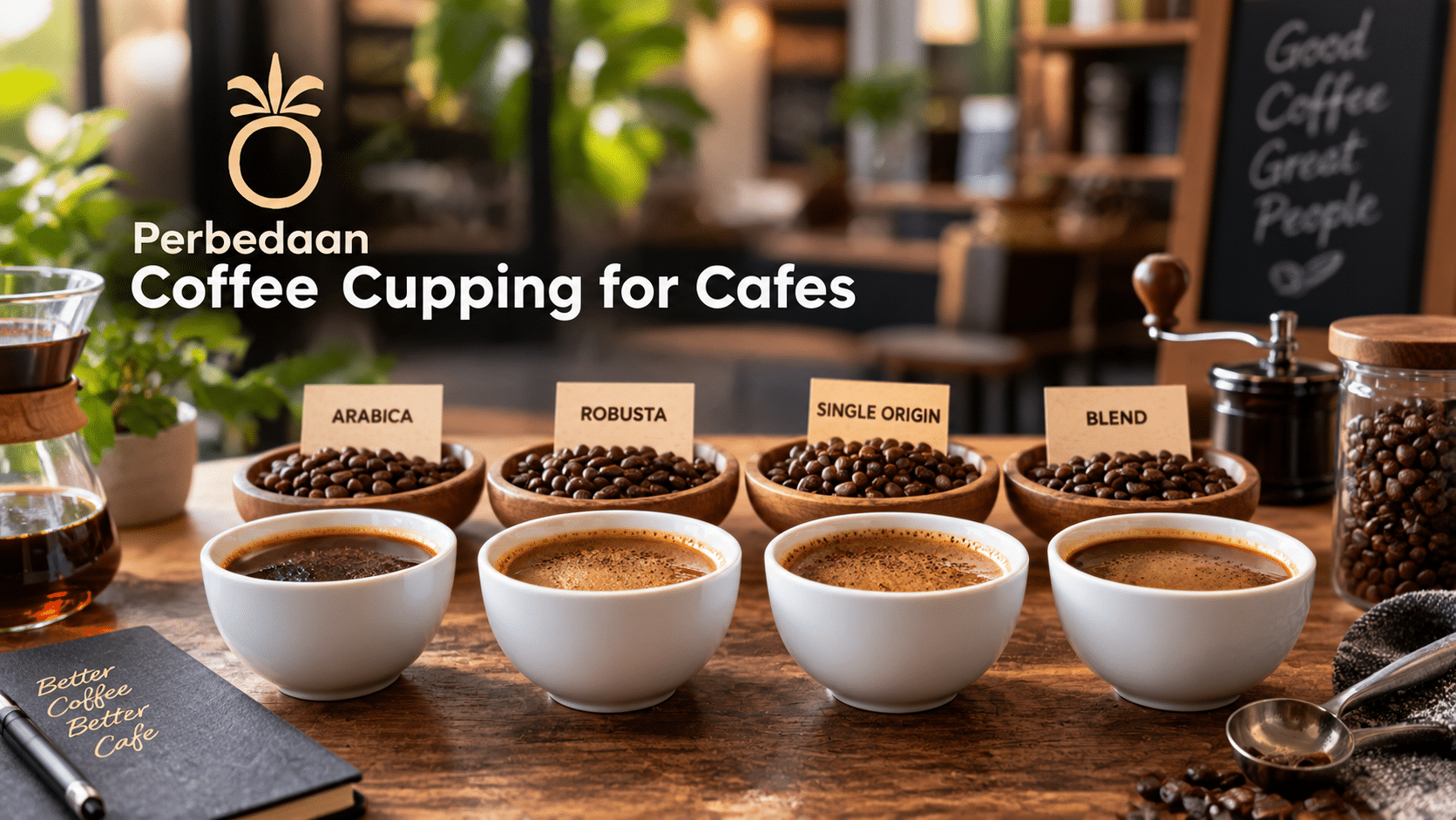
Coffee Cupping for Cafes is essentially a structured tasting process used to assess the characteristics of coffee. It allows cafe owners, baristas, and buyers to compare beans based on aroma, acidity, sweetness, body, flavor clarity, aftertaste, and overall balance.
This matters because the most expensive coffee is not automatically the best choice for every cafe. A specialty coffee with complex floral notes may be excellent for a premium tasting menu but less suitable for a busy cafe serving milk-based beverages.
Through Coffee Cupping for Cafes, businesses can identify beans that match their customers, menu, brewing methods, and price positioning.
The goal is not simply to find a coffee that tastes impressive during a tasting session. The goal is to find coffee that consistently delivers the experience your customers expect.
How to Conduct Coffee Cupping for Cafes
A useful cupping session should compare several coffees under controlled conditions. Ideally, the beans should be roasted within a similar timeframe and prepared using the same brewing parameters.
1. Evaluate the Aroma
Start by smelling the dry coffee grounds. Aroma can provide an early indication of the coffee's character.
After adding hot water, evaluate the fragrance again. Look for identifiable characteristics such as chocolate, caramel, nuts, citrus, berries, spices, or floral notes.
A strong aroma does not automatically mean better quality, but it can help distinguish coffees with different sensory profiles.
2. Assess Acidity and Sweetness
Acidity gives coffee brightness and structure. It can range from citrus-like and lively to softer and fruitier.
Sweetness is equally important. A balanced coffee may produce impressions of caramel, brown sugar, honey, or ripe fruit.
During Coffee Cupping for Cafes, consider whether these characteristics fit your menu. A bright Ethiopian-style profile may appeal to specialty coffee enthusiasts, while a balanced chocolate-and-nut profile may work better for a broader customer base.
3. Check Body and Mouthfeel
Body describes the physical sensation of coffee in the mouth. Some coffees feel light and tea-like, while others are rich, creamy, or syrupy.
This is particularly important for cafes because brewing methods can change how customers experience a bean. A coffee that performs beautifully as a filter brew may behave differently when extracted as espresso or combined with milk.
4. Examine the Finish
The aftertaste is often overlooked during Coffee Cupping for Cafes, yet it can strongly influence perceived quality.
A good coffee should leave a pleasant and clean impression. If bitterness, excessive dryness, or unpleasant flavors dominate the finish, the coffee may become difficult to use consistently across a commercial menu.
Choosing Beans Based on Your Cafe Concept
The best result from Coffee Cupping for Cafes comes from connecting sensory quality with business strategy.
A specialty cafe may prioritize distinctive single-origin coffees with recognizable fruit, floral, or fermentation characteristics. A high-volume cafe may prioritize consistency, versatility, and a flavor profile that performs well across espresso, americano, cappuccino, and latte.
Consider these questions during your evaluation:
- Does the coffee match your target customer's preferences?
- Does it work with your primary brewing method?
- Does it taste consistent across different roast batches?
- Can it support your desired menu pricing?
- Does the flavor profile differentiate your cafe from competitors?
These questions make Coffee Cupping for Cafes more than a tasting exercise. It becomes a purchasing and positioning tool.
Working With a Professional Roastery
The quality of green coffee is only one part of the equation. Roast development, freshness, storage, and consistency can significantly affect the final cup.
For cafes in Bali, working with an experienced Roastery Bali partner can make bean selection more strategic. A good roastery should be able to explain the origin, processing method, roast profile, recommended brewing approach, and expected sensory characteristics of its coffee.
Royal Hindia, for example, can be considered when cafes are looking for coffee that combines quality beans with a carefully developed roasting approach.
For businesses looking to explore suitable options, Premium Coffee Beans for Cafes can be a useful starting point when comparing coffee for a professional cafe environment.
Coffee Cupping for Cafes: Avoid These Common Mistakes
One common mistake is choosing beans based entirely on personal preference. The owner may love a highly acidic coffee, but the majority of customers may prefer something smoother and sweeter.
Another mistake is evaluating coffee only when brewed as a filter. If the cafe's main product is espresso-based drinks, the beans should also be tested as espresso.
Cupping should also happen regularly. Coffee quality can change due to harvest variations, roast development, storage conditions, and supplier consistency.
A structured Coffee Cupping for Cafes process gives the business a repeatable method for making purchasing decisions rather than relying on assumptions.
Turning Cupping Results Into a Better Coffee Program
Once the tasting is complete, record the results. Create a simple scoring system covering aroma, sweetness, acidity, body, flavor clarity, aftertaste, balance, and overall preference.
Then compare those scores against commercial requirements.
For example, a cafe might discover that one coffee has exceptional complexity but performs poorly in milk-based drinks, while another has slightly less complexity but produces a more balanced latte and more consistent espresso.
That insight can influence the final purchasing decision.
The most effective Coffee Cupping for Cafes programs therefore connect sensory evaluation with actual customer experience. The question is not simply, "Which coffee tastes best?" It is "Which coffee delivers the best experience for our customers and our business?"
Conclusion
 Conclusion
Coffee Cupping for Cafes gives cafe owners a more reliable way to select beans based on measurable sensory characteristics rather than marketing claims alone. By evaluating aroma, acidity, sweetness, body, flavor, and finish, cafes can identify coffees that fit their concept and customer expectations.
When combined with a reliable Roastery Bali partner and consistent quality control, Coffee Cupping for Cafes can become part of a long-term coffee strategy rather than a one-time tasting activity.
The right beans can improve more than the cup itself. They can strengthen menu consistency, create a recognizable flavor identity, and give customers another reason to return.
Ready to Find the Right Coffee Beans?
Start with a structured Coffee Cupping for Cafes session and compare coffees based on what actually matters to your customers. Explore Royal Hindia's coffee selection and discover beans that can become part of a memorable cafe experience.
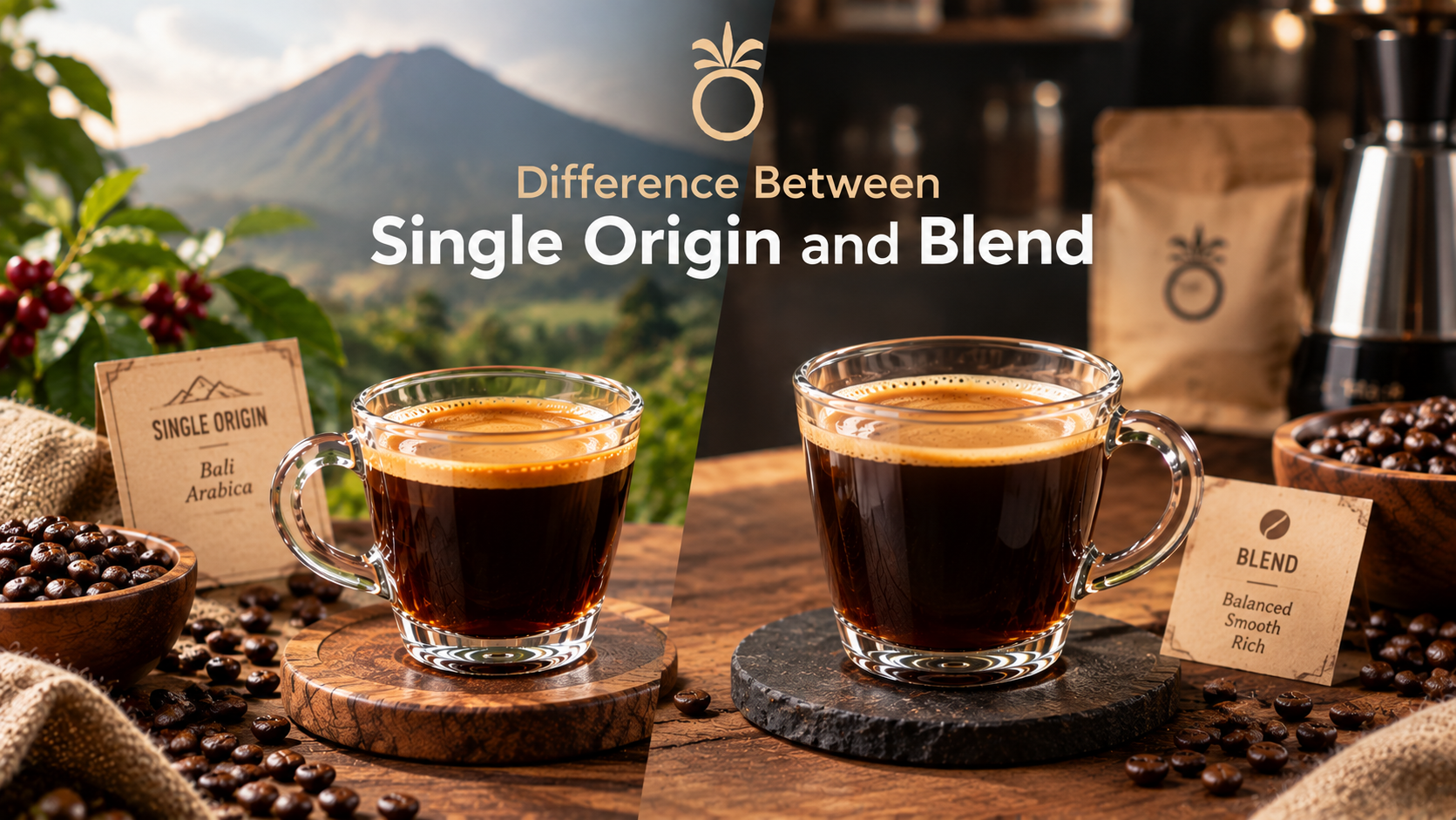
Difference Between Single Origin and Blend: Which One Is Right for You?
Coffee offers an incredible range of flavors, aromas, and drinking experiences. Among the most common choices for coffee lovers are single origin and blend coffee. Although both can deliver an excellent cup, they are created with different approaches. Understanding the Difference Between Single Origin and Blend can help you choose coffee based on your preferred flavor, brewing method, and daily drinking habits.
For some coffee drinkers, exploring the character of a particular region is part of the experience. Others prefer a balanced and consistent flavor that works well every day. Understanding the Difference Between Single Origin and Blend makes it easier to recognize what each type of coffee can offer.
What Is Single Origin Coffee?
 What Is Single Origin Coffee?
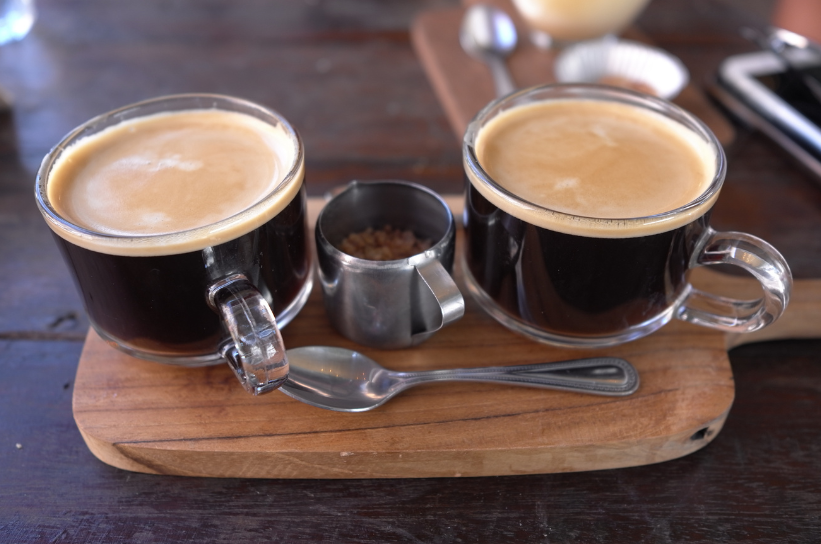
Single origin coffee refers to coffee beans that come from a defined geographical source. The source may be a particular country, region, farm, cooperative, or coffee-growing area. Because the beans are associated with a specific origin, their characteristics can reflect the local altitude, climate, soil, coffee variety, and processing method.
One of the most interesting aspects of single origin coffee is its ability to showcase distinctive characteristics. Depending on the origin and processing method, coffee can have floral, fruity, citrus, chocolate, nutty, caramel, or spicy notes.
For coffee enthusiasts who enjoy exploring different origins, single origin coffee can provide a more specific expression of where the beans were grown. This makes origin an important part of the Difference Between Single Origin and Blend.
What Is Blend Coffee?
Blend coffee is created by combining coffee beans from two or more origins, varieties, farms, or lots. Instead of focusing on one specific origin, a blend is developed to create a particular flavor profile.
Roasters can combine different beans to balance acidity, sweetness, body, aroma, and aftertaste. For example, one coffee may contribute fruity acidity, while another provides chocolate notes and additional body.
This approach is one of the most important elements of the Difference Between Single Origin and Blend. While single origin coffee emphasizes the characteristics of a defined source, a blend gives the roaster more flexibility to combine complementary characteristics.
A well-designed blend is not simply a mixture of different beans. Each component should contribute something meaningful to the final cup.
Difference Between Single Origin and Blend in Flavor
Flavor is one of the clearest ways to understand the Difference Between Single Origin and Blend.
Single origin coffee often allows the characteristics of its growing region to become more noticeable. This can make the coffee more expressive and interesting for people who enjoy discovering different flavor profiles.
Blend coffee, on the other hand, is generally created with balance in mind. The goal is often to combine different characteristics into a harmonious cup rather than emphasizing the identity of one particular origin.
However, the Difference Between Single Origin and Blend does not mean that one automatically tastes better than the other. Flavor depends on many factors, including bean quality, processing, roast profile, freshness, grind size, water quality, and brewing technique.
A single origin can be sweet and balanced, while a blend can be complex and expressive. The final experience depends on how the coffee is selected, roasted, and brewed.
Difference Between Single Origin and Blend in Consistency
Consistency is another important factor when looking at the Difference Between Single Origin and Blend.
Single origin coffee can experience seasonal variations because coffee is an agricultural product. Changes in weather, harvest conditions, processing, and crop quality can influence the characteristics of different harvests.
For some coffee enthusiasts, this variation is part of the appeal. Each harvest can provide a slightly different experience while still representing the identity of its origin.
Blends can provide greater flexibility when maintaining a recognizable flavor profile. A roaster can adjust the composition of a blend depending on the availability and characteristics of different coffee lots.
This makes the Difference Between Single Origin and Blend particularly relevant for cafés and businesses that want a dependable flavor profile for their customers.
Difference Between Single Origin and Blend for Brewing Methods
The Difference Between Single Origin and Blend can also influence your choice of coffee for different brewing methods.
Single origin coffee is often popular for pour-over methods such as V60 and Chemex because these methods can highlight aroma, acidity, sweetness, and subtle flavor differences.
A blend can also work extremely well with pour-over brewing, depending on how it is developed. Some blends are designed to create a balanced and approachable cup across different brewing methods.
For French press, automatic coffee makers, moka pots, and other brewing techniques, both single origin and blend can produce excellent results. The key is matching the roast profile and grind size with the brewing method.
Therefore, the Difference Between Single Origin and Blend should be considered alongside your brewing preferences rather than as an isolated characteristic.
Difference Between Single Origin and Blend for Espresso
Espresso provides another practical example of the Difference Between Single Origin and Blend.
Single origin espresso can offer distinctive acidity, sweetness, fruit character, or floral notes. It can be an exciting choice for coffee drinkers who enjoy complex and expressive espresso.
Blend coffee is frequently developed with espresso extraction in mind. By combining beans with different characteristics, a roaster can create a profile with balanced acidity, sweetness, body, and crema.
A blend with chocolate and caramel notes, for example, may work particularly well in milk-based drinks. Meanwhile, a bright single origin may appeal to someone who prefers drinking espresso without milk.
The Difference Between Single Origin and Blend becomes especially noticeable when coffee is used for cappuccino, latte, flat white, or other milk-based beverages.
House Blend Coffee from Bali
For coffee lovers looking for a balanced profile, a thoughtfully developed house blend can be an interesting option. Royal Hindia's House Blend Coffee in Bali represents the concept of combining different coffee characteristics to create a harmonious drinking experience.
The Difference Between Single Origin and Blend becomes easier to understand when comparing a house blend with a single-origin coffee. A house blend can be intentionally formulated around balance, aroma, sweetness, body, and overall drinkability.
A successful blend should allow its components to complement one another. Rather than having several unrelated flavors competing in one cup, the beans should work together to create a cohesive profile.
For everyday coffee drinkers, this approach can provide a familiar flavor while still offering depth and complexity.
How Roasting Influences the Difference Between Single Origin and Blend
Roasting has a major influence on the Difference Between Single Origin and Blend because different coffee beans can respond differently to heat.
Factors such as bean density, moisture content, variety, processing method, and desired flavor profile can influence the roasting approach.
Single origin coffee is often roasted to highlight its distinctive characteristics. A lighter roast may preserve more acidity, floral notes, and fruit characteristics, while a medium roast can bring greater sweetness and body.
With blends, the roaster needs to consider how different beans will interact. The roasting process must support the desired relationship between the components.
This is why professional coffee roasting in Bali plays an important role in developing consistent and enjoyable coffee profiles.
Understanding the Difference Between Single Origin and Blend therefore requires looking beyond the origin of the beans. Roasting is an important part of determining how those beans eventually taste in the cup.
Difference Between Single Origin and Blend for Different Coffee Drinkers
The Difference Between Single Origin and Blend can be easier to understand when you consider what you want from your daily coffee.
If you enjoy exploring coffee-producing regions, comparing flavor notes, and discovering how different origins taste, single origin coffee may provide an engaging experience.
If you prefer balance, familiarity, and a dependable flavor profile, blend coffee may be a practical option.
For cafés, restaurants, and coffee businesses, blends can also provide flexibility when developing a signature espresso or house coffee. Meanwhile, single origin offerings can give customers opportunities to explore different origins and seasonal coffees.
The Difference Between Single Origin and Blend is therefore not simply about quality. It is about sourcing, flavor design, roasting, consistency, and the experience you want from your coffee.
How to Choose Between Single Origin and Blend
When considering the Difference Between Single Origin and Blend, start by thinking about your preferred flavor profile.
Do you enjoy bright, fruity, and floral coffee? A single origin may give you more opportunities to explore those characteristics.
Do you prefer chocolate, caramel, nuts, sweetness, and fuller body? A well-developed blend may offer the balance you are looking for.
Your brewing method should also be considered. Pour-over enthusiasts may enjoy experimenting with different single origins, while espresso drinkers may appreciate blends designed specifically for balanced extraction.
You should also consider how often you want to experiment. Single origin coffees can make coffee exploration more interesting, while a reliable blend can become a comfortable everyday choice.
Ultimately, the Difference Between Single Origin and Blend should help you understand your options rather than limit your choices.
Explore Bali Coffee with Royal Hindia
 Explore Bali Coffee with Royal Hindia
Bali has a diverse coffee culture supported by different growing regions, processing techniques, roasting approaches, and coffee traditions. Exploring both single origin and blend coffee can provide a deeper appreciation of how these factors influence the final cup.
At Royal Hindia, coffee lovers can explore a range of coffee products created for different preferences and brewing experiences.
You can also follow Royal Hindia on Instagram to discover coffee stories, product updates, and insights into the world of Bali coffee.
Understanding the Difference Between Single Origin and Blend can make your coffee journey more interesting. Instead of looking for one universal option, you can explore different profiles and discover which style fits your personal preferences.
Conclusion
The Difference Between Single Origin and Blend can be seen through their sourcing, flavor characteristics, consistency, brewing applications, and roasting approach.
Single origin coffee focuses on expressing the characteristics of a defined origin, making it an interesting choice for people who enjoy discovering distinctive regional profiles. Blend coffee combines different beans to create a specific and balanced flavor profile.
Neither approach needs to be viewed as better in every situation. The right choice depends on your taste, brewing method, desired consistency, and the type of coffee experience you want.
By exploring both single origin and blend coffee, you can discover how origin, processing, roasting, and brewing work together to create the many flavors found in every cup.
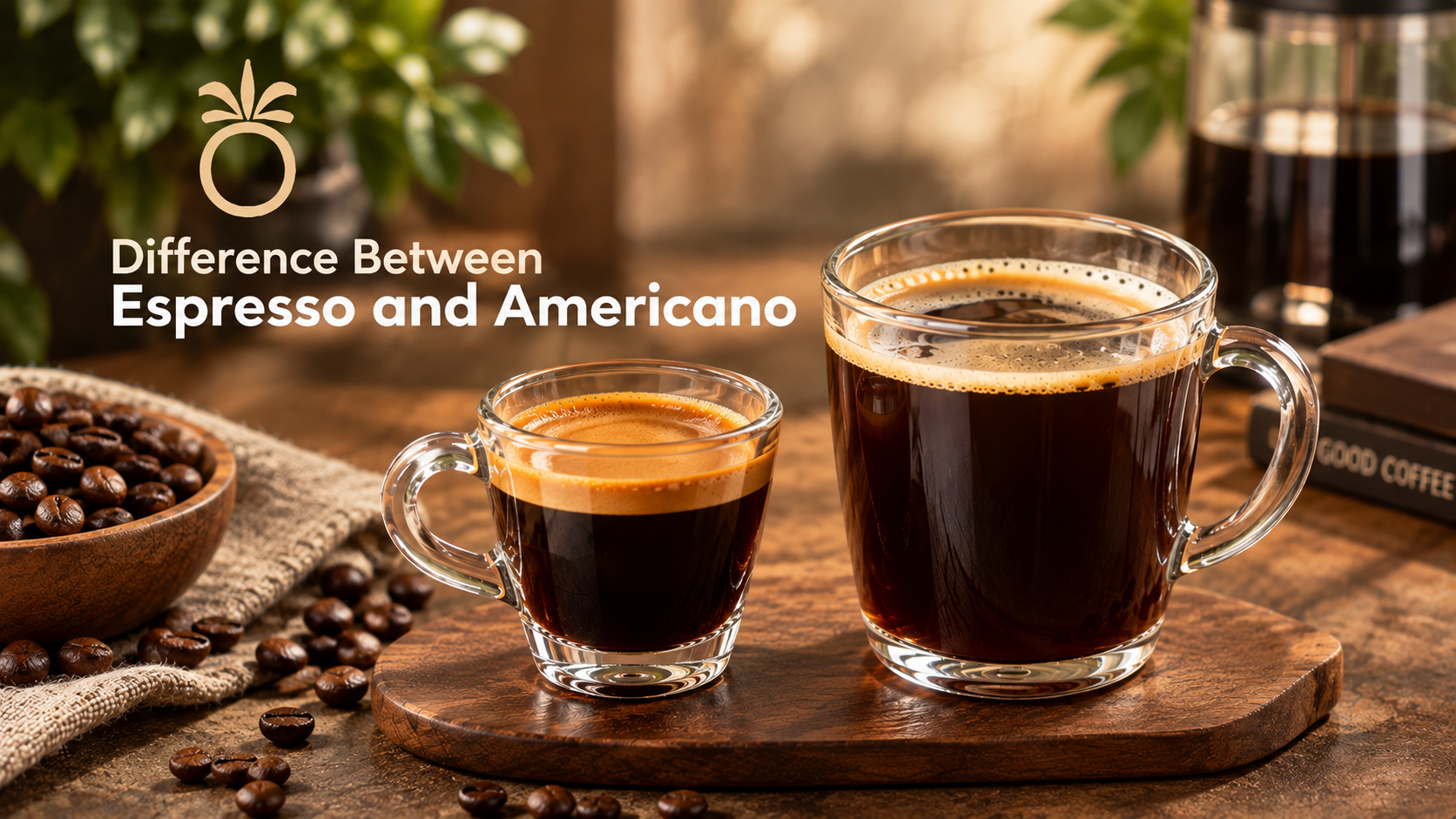
Difference Between Espresso and Americano: Taste, Texture, and How to Make Them
For coffee lovers, espresso and Americano may look like two very similar drinks. Both use espresso as their foundation, but the drinking experience can be quite different. Understanding the difference between espresso and americano can help you choose a coffee that matches your taste preferences, whether you are ordering at a coffee shop or making one at home.
In simple terms, espresso is a concentrated coffee extracted under pressure and served in a relatively small volume. An Americano, meanwhile, is made by adding hot water to espresso, creating a larger drink with a lighter concentration.
However, the difference between espresso and americano is not simply about the amount of water. Taste, texture, aroma, concentration, serving size, and even the overall drinking experience can change significantly.
What Is Espresso?
 What Is Espresso?
Before discussing the difference between espresso and americano, it is important to understand what espresso actually is.
Espresso is a concentrated coffee beverage made by forcing hot water through finely ground coffee under pressure. The process produces a relatively small serving with a high concentration of flavor and aroma.
Espresso typically has a fuller body and intense aroma. A properly extracted shot may also develop crema, a golden-brown layer on the surface that is one of the most recognizable characteristics of espresso.
Several factors influence espresso quality, including the coffee variety, origin, roast level, grind size, coffee dose, water temperature, extraction time, and brew ratio. As a result, the difference between espresso and americano can also vary depending on the coffee beans and brewing parameters being used.
Beans with fruity or floral characteristics may produce espresso with noticeable acidity and aromatic complexity. Beans with chocolate, nutty, or caramel notes may create a sweeter and more rounded profile.
What Is an Americano?
An Americano is a coffee drink made by combining espresso with hot water. After the espresso is extracted, additional hot water is added to increase the serving volume and reduce the concentration.
This is the fundamental difference between espresso and americano.
While espresso is enjoyed as a concentrated extraction, an Americano provides a lighter drinking experience because of the added water. The ratio between espresso and water can be adjusted according to personal preference and the style of the coffee shop.
There is no single ratio that has to be used for every Americano. Some people prefer a stronger version with less water, while others prefer more water for a lighter black coffee.
Although the espresso is diluted, the characteristics of the coffee beans can still be noticeable. Therefore, the quality of the espresso remains an important factor in the final Americano.
Difference Between Espresso and Americano in Taste
One of the easiest ways to notice the difference between espresso and americano is through taste.
Espresso delivers a more concentrated and intense flavor. Because it is served in a relatively small volume, the characteristics of the coffee beans can be experienced more directly. Acidity, sweetness, bitterness, aroma, and aftertaste may feel more pronounced.
An Americano has a lighter flavor because the espresso is combined with hot water. The underlying coffee characteristics remain, but the overall intensity is reduced.
Interestingly, the quality and origin of the beans still make a major difference. Specialty coffee with fruity, floral, citrus, or sweet characteristics can produce an interesting Americano as well as an expressive espresso.
Therefore, the difference between espresso and americano does not mean that one drink is automatically better than the other. They simply provide different ways to experience the same coffee foundation.
Difference Between Espresso and Americano in Texture
Texture is another important part of the difference between espresso and americano.
Espresso generally has a fuller body and more concentrated mouthfeel. The higher concentration creates a denser sensation on the palate.
Crema can also contribute to the sensory experience of espresso. Its presence may influence the initial mouthfeel and aroma when drinking the shot.
An Americano, on the other hand, has a lighter body. The additional water reduces the concentration of the espresso, creating a smoother and less dense drinking experience.
This is why the difference between espresso and americano can be noticeable even when both drinks are prepared using the same espresso shot.
Difference Between Espresso and Americano in Serving Size
Espresso is usually served in a small cup because of its concentrated nature. A single or double shot can provide an intense coffee experience despite its relatively small volume.
An Americano is generally served in a larger cup because hot water is added after the espresso is extracted.
When looking at the difference between espresso and americano, serving size is one of the most obvious distinctions. Espresso is suitable for people who want a concentrated coffee experience in a small serving, while Americano is more suitable for those who prefer a larger volume of black coffee.
Difference Between Espresso and Americano in Caffeine
Many people assume that an Americano contains less caffeine because it tastes lighter. However, the amount of water does not directly remove caffeine from the espresso.
If one espresso shot is used to prepare an Americano, the caffeine comes primarily from that espresso shot. The additional water simply increases the volume and reduces the concentration of the drink.
However, coffee shops may use two espresso shots when preparing an Americano. In that case, the total caffeine content will be different from a single espresso shot.
Therefore, the difference between espresso and americano in terms of caffeine depends more on the amount of espresso used than on the amount of water added.
How to Make Espresso
Understanding the difference between espresso and americano also becomes easier when you know how each drink is prepared.
To make espresso, you need an espresso machine, a suitable grinder, quality coffee beans, and clean water.
The basic process is:
- Choose coffee beans suitable for espresso.
- Grind the beans to an appropriate size.
- Dose the ground coffee into the portafilter.
- Distribute the coffee evenly.
- Tamp consistently.
- Lock the portafilter into the espresso machine.
- Start the extraction.
- Evaluate the extraction time, yield, aroma, and flavor.
- Serve the espresso immediately after extraction.
In practice, dialing in the espresso is extremely important. Small adjustments to grind size, dose, extraction time, or brew ratio can significantly change the final flavor.
For consistent results, both the quality of the coffee beans and the roasting process need to be considered. You can explore different Royal Hindia coffee products to discover beans from various Indonesian origins and flavor profiles.
How to Make an Americano
Once you understand the difference between espresso and americano, making an Americano is relatively straightforward.
The basic process is:
- Prepare one or two shots of espresso.
- Heat fresh water.
- Pour the hot water into a cup.
- Add the espresso.
- Adjust the amount of water according to your preferred strength.
Some coffee shops pour the espresso first and then add hot water. Others add the water first and pour the espresso afterward.
The order can influence the appearance of the crema and the initial sensory experience, but the basic principle remains the same: an Americano combines espresso with hot water.
For a stronger drink, use less water or more espresso. For a lighter drink, increase the amount of hot water.
Which Is Stronger, Espresso or Americano?
This is one of the most common questions when discussing the difference between espresso and americano.
If "stronger" refers to flavor intensity and concentration, espresso tastes stronger. Espresso contains a higher concentration of coffee compounds in a relatively small volume.
An Americano tastes lighter because the espresso has been diluted with hot water. However, a lighter taste does not necessarily mean less caffeine.
If an Americano is made using two espresso shots, its total caffeine content can be higher than that of a single espresso.
Therefore, the difference between espresso and americano should be considered from two perspectives: flavor concentration and the amount of espresso used.
Choosing the Right Coffee for Espresso and Americano
 Choosing the Right Coffee for Espresso and Americano
The coffee beans themselves can significantly change the experience of both drinks.
Different origins, processing methods, roast levels, and varieties can produce very different espresso profiles. Since espresso is the foundation of an Americano, the quality and character of the espresso have a direct impact on the final drink.
To learn more about how roasting shapes coffee characteristics, explore coffee roasting in Bali. The roasting process influences aroma, acidity, body, sweetness, and other characteristics that eventually become noticeable during extraction.
Royal Hindia offers coffee selections with different origins and flavor profiles for coffee enthusiasts and businesses. You can also follow Royal Hindia on Instagram to explore the brand, coffee products, and latest updates.
For coffee enthusiasts who want to explore coffee origin, processing, roasting, and tasting characteristics in greater depth, specialty coffee provides a more detailed way to understand how different beans express themselves. Discover the best specialty coffee in Bali to explore specialty coffee and its connection with Bali's growing coffee culture.
Espresso or Americano: Which One Should You Choose?
Ultimately, the difference between espresso and americano is not about which drink is universally better. It depends on the coffee experience you prefer.
Choose espresso if you:
- Enjoy intense coffee flavors.
- Prefer a fuller body.
- Want to experience the characteristics of the beans directly.
- Like a pronounced aftertaste.
- Prefer a small serving of concentrated coffee.
Choose Americano if you:
- Prefer a larger serving of coffee.
- Like espresso flavors in a lighter form.
- Prefer black coffee without milk.
- Want to enjoy your coffee slowly.
- Prefer a smoother and less concentrated coffee experience.
Understanding the difference between espresso and americano allows you to choose based on the flavor and drinking experience you want rather than simply the size of the cup.
Conclusion
The difference between espresso and americano mainly comes down to composition, concentration, texture, serving size, and preparation.
Espresso is a concentrated coffee extracted under pressure and served in a relatively small volume. It typically offers a fuller body, intense flavor, and distinctive crema.
An Americano combines espresso with hot water, creating a larger drink with a lighter concentration and smoother drinking experience.
Espresso may be the right choice if you enjoy concentrated and intense coffee flavors. Americano can be a better option if you prefer the character of espresso in a lighter and larger drink.
Regardless of your choice, coffee bean quality, roasting, and extraction technique remain essential. With the right beans and proper brewing parameters, both espresso and Americano can deliver distinctive and enjoyable coffee experiences.
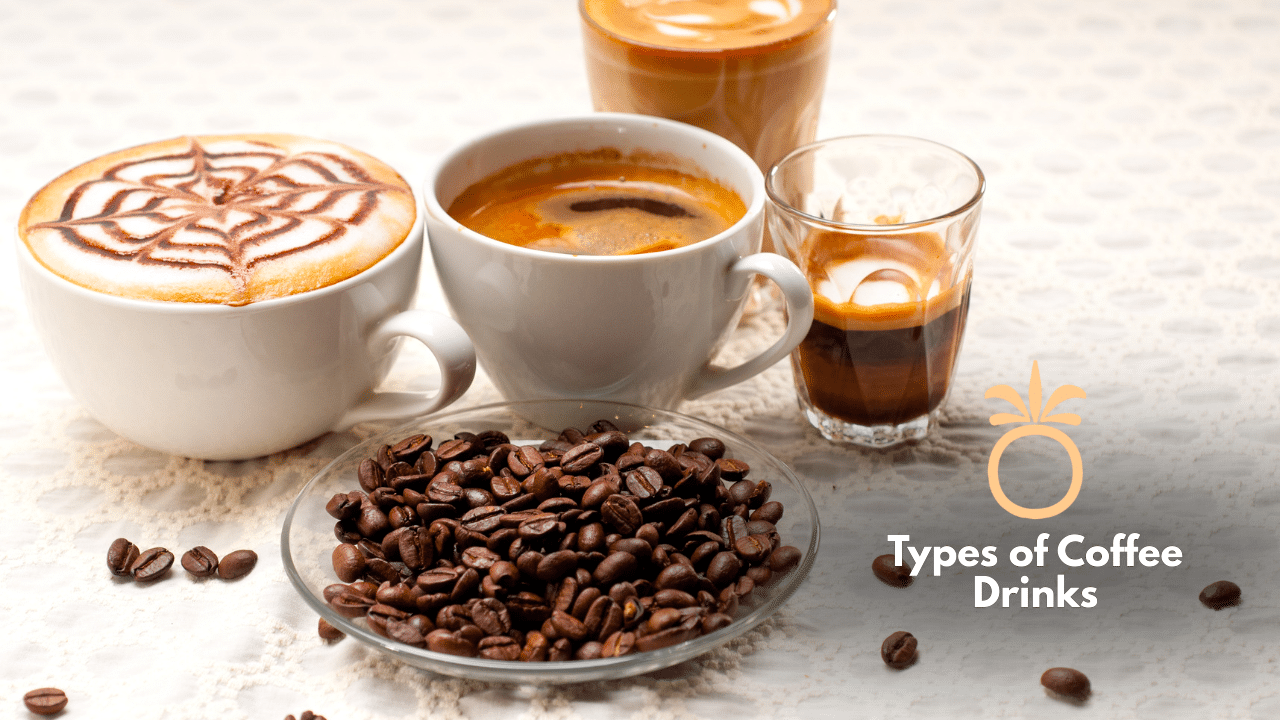
15 Popular Types of Coffee Drinks, from Espresso to Milk Coffee
Types of Coffee Drinks - Coffee has become an essential part of modern lifestyles, whether as a morning ritual, a companion during work, or a refreshing drink to enjoy during a relaxing afternoon. The growing coffee culture has also introduced a wide variety of flavors and preparation methods. From bold black coffee to smooth and creamy milk-based creations, every drink offers a unique experience.
Understanding different types of coffee drinks can help you discover the flavors and styles that best match your preferences. Some drinks highlight the natural character of espresso, while others combine coffee with milk, water, or additional ingredients to create distinctive flavors and textures.
As a Roastery Coffee in Bali, Royal Hindia understands that a memorable coffee experience depends not only on preparation methods but also on the quality of the coffee beans and the roasting process. Here are 15 popular coffee drinks worth exploring, from traditional favorites to modern creations.
1. Espresso
 1. Espresso
Espresso is the foundation of many modern coffee drinks. It is prepared by forcing hot water under pressure through finely ground coffee, producing a small, concentrated serving with an intense aroma and flavor.
Espresso is typically topped with a layer of golden-brown crema. Its flavor profile can range from bitter and rich to naturally sweet or slightly acidic, depending on the coffee beans and roasting level.
For coffee enthusiasts who want to experience coffee in its most concentrated form, espresso is an excellent choice.
2. Americano
Americano is made by combining espresso with hot water. The addition of water creates a lighter coffee experience while preserving the distinctive aroma and character of espresso.
This drink is ideal for people who enjoy black coffee with a larger serving size and a less concentrated taste. Americano can also be served over ice for a refreshing alternative.
3. Long Black
Long black has a similar composition to Americano, but the preparation method is different. Hot water is poured into a cup first, followed by espresso.
This technique helps preserve the crema, creating a distinctive appearance and drinking experience. A long black often has a more pronounced espresso character than an Americano prepared with a similar ratio types of coffee drinks.
4. Ristretto
Ristretto is a shorter espresso extraction made with less water. Using a similar amount of coffee grounds but extracting a smaller volume creates a concentrated drink with a distinctive flavor profile.
Ristretto is often enjoyed by coffee drinkers who appreciate intense flavors, rich aromas, and a more concentrated coffee experience.
5. Doppio
Doppio is a double espresso served with two shots of espresso in one cup. It provides a larger serving and stronger overall coffee experience than a single espresso.
This drink is suitable for people who enjoy the bold character of espresso and want a more substantial serving. Its final flavor depends on the quality of the coffee beans, roasting profile, and extraction technique.
6. Cappuccino
Cappuccino combines espresso, steamed milk, and milk foam. It is known for its smooth texture and balanced combination of coffee flavor and creamy milk.
Cappuccino is generally served in a relatively small cup. It is a popular choice for those who want to enjoy espresso with milk while retaining a noticeable coffee flavor.
7. Caffè Latte
Caffè latte combines espresso with steamed milk and a thin layer of milk foam. Compared with cappuccino, a latte generally contains more milk, resulting in a smoother and creamier taste.
This drink is an excellent option for people who prefer a milder coffee flavor. Its surface can also be decorated with latte art, making it visually appealing.
8. Flat White
Flat white is associated with the coffee cultures of Australia and New Zealand. It combines espresso with finely textured steamed milk and a thin layer of microfoam.
Flat white is generally served in a smaller cup than a latte. This composition allows the espresso flavor to remain prominent while delivering a smooth and velvety milk texture.
9. Macchiato
Macchiato comes from an Italian word meaning marked or stained. In its traditional form, an espresso macchiato is a shot of espresso topped with a small amount of milk foam.
The milk softens the intensity of espresso without turning the drink into a predominantly milk-based beverage. Macchiato is a good choice for those who enjoy espresso with a subtle creamy touch.
10. Mocha
Mocha combines espresso, chocolate, and milk to create a drink with a rich and sweet flavor profile.
The combination of coffee and chocolate makes mocha an appealing option for people who enjoy both beverages. It can be served hot or iced, depending on personal preference.
11. Milk Coffee
Milk coffee is one of the most popular coffee drinks in Indonesia. It combines coffee with milk, which may include fresh milk, sweetened condensed milk, or other milk alternatives.
The ratio of coffee to milk determines the final flavor. Some versions emphasize a strong coffee character, while others offer a smoother and creamier taste.
Milk coffee is a versatile drink that can be enjoyed throughout the day, either hot or cold.
12. Palm Sugar Milk Coffee
Palm sugar milk coffee combines types of coffee drinks, milk, and palm sugar as a sweetener. Palm sugar adds a distinctive sweetness and aroma that differs from regular white sugar.
This drink is frequently served over ice and has become a popular choice in Indonesian coffee shops. A well-balanced combination of coffee, milk, and palm sugar creates a satisfying flavor without allowing any single ingredient to overpower the others.
13. Cold Brew
Cold brew is prepared by steeping coffee grounds in cold or room-temperature water for several hours. The longer extraction process creates a flavor profile that differs from traditionally hot-brewed coffee.
Cold brew is often described as smooth, with a less pronounced acidity for some drinkers. It is particularly enjoyable when served chilled, making it a refreshing option in warm weather.
14. Affogato
Affogato is an Italian dessert that combines espresso with ice cream, usually vanilla.
Hot espresso is poured over the ice cream, creating an appealing contrast of temperatures, textures, and flavors. The combination of rich coffee and sweet, creamy ice cream makes affogato a popular choice for coffee lovers who enjoy dessert.
15. Piccolo Latte
Piccolo latte is a small espresso-and-milk drink served in a compact glass. It is commonly prepared with a ristretto or espresso shot and a small amount of finely textured milk.
The result is a balanced combination of concentrated coffee flavor and creamy milk. Piccolo latte is ideal for people who enjoy milk-based coffee but prefer a smaller serving.
How to Choose the Right Types of Coffee Drinks for Your Taste
 How to Choose the Right Types of Coffee Drinks for Your Taste
Everyone has different preferences when it comes to enjoying coffee. Understanding the characteristics of different types of coffee drinks can help you identify the styles that suit your taste.
If you enjoy bold and concentrated flavors, espresso, ristretto, and doppio are worth trying. Americano and long black are better suited to those who prefer black coffee with a larger serving size.
For a smoother and creamier experience, cappuccino, latte, flat white, and milk coffee offer different combinations of coffee and milk. Meanwhile, cold brew and palm sugar milk coffee are refreshing options for those who prefer iced beverages.
Beyond the drink itself, coffee bean quality plays an important role in shaping aroma and flavor. Different coffee beans can produce distinct experiences, even when prepared using the same brewing method.
Discover Quality Coffee with Royal Hindia
Exploring different types of coffee drinks becomes even more enjoyable when you understand the ingredients behind them. Quality coffee beans, proper roasting, and suitable brewing techniques can help bring out a more balanced and satisfying flavor.
As a Roastery Coffee in Bali, Royal Hindia focuses on coffee bean quality and distinctive flavor profiles. Choosing the right beans can help you explore a wide range of coffee creations, from espresso-based drinks to your favorite milk coffee.
Whether you enjoy brewing coffee at home or experimenting with different recipes, discovering the right coffee beans is an important step toward a better coffee experience.
Explore Quality Coffee Choices in Bali and find coffee beans that match your preferences.
Conclusion
There are many types of coffee drinks to enjoy, ranging from the intense character of espresso to the smooth and sweet flavors of milk coffee. Each drink offers a different combination of ingredients, textures, and flavor experiences.
Understanding these differences makes it easier to choose a coffee that suits your personal taste. Do not hesitate to try different preparations and explore the distinctive characteristics of various coffee beans.
With Royal Hindia, discover a more rewarding coffee experience through quality coffee beans and a diverse range of flavors.
 Why You Need to Calculate Coffee Stock Accurately
 Use Historical Data to Forecast Demand
Custom Roasting & Private Label Coffee Bali Services from a Bali Roastery for Cafés and Brands
Private Label Coffee Bali - The coffee industry continues to grow, and customers today look for more than simply a “good cup of coffee.” They want consistent flavor, clear bean origins, a distinctive character, and an experience that matches the identity of a café or brand. In response to this demand, Private Label Coffee Bali has become a practical solution for café owners, hotels, restaurants, companies, and coffee entrepreneurs who want to offer quality coffee without building their own roasting facility.
Royal Hindia is a Bali roastery that helps businesses create coffee profiles based on their market needs. From selecting green beans and developing roast profiles to creating blends and producing private label coffee, each process can be designed to match your brand direction. With a more personal approach, coffee becomes more than just a product—it becomes an important asset for building customer loyalty.
Why Private Label Coffee Bali Matters for Coffee Businesses
 Why Private Label Coffee Bali Matters for Coffee Businesses
Every business has a different target audience. A café in a tourist area may need coffee that is approachable for international visitors, while a local coffee shop may prefer a more complex and bold flavor profile. Restaurants may need a strong espresso for milk-based drinks, while hotels may require stable-quality coffee for high-volume breakfast service.
For this reason, Private Label Coffee Bali allows business owners to determine the flavor direction of their products more specifically. You can choose light, medium, or dark roast levels based on brewing methods, key menu items, and customer preferences.
For example, espresso for latte and cappuccino menus often benefits from a fuller body with chocolate, nutty, and smooth aftertaste characteristics. Filter coffee, on the other hand, can be developed with a lighter roast profile that highlights fruity, floral, or citrus notes, allowing the origin character of the coffee to stand out.
Royal Hindia understands that a roast profile cannot be created randomly. It requires testing, flavor evaluation, and adjustment based on the coffee bean and the intended product. This is why a customized roasting service can deliver more value than purchasing generic coffee from the market.
Royal Hindia: A Bali Roastery for Cafés and Brands
Bali is known as one of Indonesia’s most dynamic coffee destinations. The growth of cafés, hotels, restaurants, coworking spaces, and hospitality businesses has created strong demand for quality coffee. However, this demand also makes competition more intense. A business needs a distinctive identity to remain memorable to customers.
Royal Hindia offers Private Label Coffee Bali services to help cafés and brands develop their own flavor identity. This approach gives business owners the opportunity to choose coffee bean types, roasting characteristics, blend composition, and packaging styles that fit their sales strategy.
For cafés, working with the right roastery provides many advantages. The operational team does not need to manage roasting machine purchases, internal roaster training, equipment maintenance, or the risks of inconsistent production. Business owners can focus more on service, menu development, marketing, and customer experience.
For retail coffee brands, Royal Hindia can support private label production. This means coffee can be roasted according to an agreed standard and packaged under your own brand identity. This model is suitable for entrepreneurs who want to enter the packaged coffee business more efficiently.
A More Focused Private Label Coffee Bali Process
A Private Label Coffee Bali service is not simply about roasting coffee beans until they are ready to sell. Behind every consistent cup of coffee, there are important stages that affect aroma, body, acidity, sweetness, and aftertaste.
The first stage is understanding your business requirements. Royal Hindia can help map out the type of product you want to offer, such as an espresso house blend, coffee for milk-based drinks, manual brew coffee, office coffee, gift hampers, or retail products. This information is important because each use requires a different roasting approach.
The next stage is green bean selection. Indonesia has many coffee-producing regions with distinctive characteristics, including Bali Kintamani, Gayo, Toraja, Flores, Java, and various origins from Sumatra. Each region offers a different flavor experience. Bali Kintamani coffee, for example, is often recognized for citrus, fruity, and clean notes, while coffee from Sumatra may offer a fuller body with earthy, spicy, or chocolate-like nuances.
After selecting the beans, the roasting process begins to find the level of development that best suits the desired result. Through Private Label Coffee Bali, roast levels can be adjusted so the final flavor supports your menu and product positioning. A suitable roast profile helps maintain flavor balance, prevents overly burnt notes, and allows the coffee to perform well when brewed.
The final stage is quality control. Coffee should be tested through cupping or tasting sessions to ensure that the results match the agreed standard. This consistency is especially important for businesses that want to maintain a reliable flavor from one batch to the next.
Private Label Coffee to Build Your Own Brand
Having your own branded coffee product no longer requires a large investment from the beginning. Through Royal Hindia’s private label service, businesses can sell coffee using their own name, logo, design, and brand story without owning a roasting production facility.
Private Label Coffee Bali is suitable for many business types, including cafés that want to sell coffee beans as merchandise, hotels and villas that want to provide exclusive coffee for guests, companies that need corporate gifts or hampers, souvenir shops that want to offer Bali-inspired coffee products, influencers and communities that want to launch a coffee line, and retail entrepreneurs who want to develop packaged coffee brands.
Private label gives a brand the opportunity to appear more professional. Coffee packaging can be adapted to the intended market, from premium and minimalist styles to modern or Bali-inspired concepts. Product information can also include coffee origin, tasting notes, roast level, brewing recommendations, product weight, and brand story.
For customers, strong packaging and clear product information can build trust. They are not only buying coffee; they are also purchasing an experience and an identity connected to the product.
Roast Profiles for Different Coffee Menus
One of the advantages of working with Royal Hindia is the flexibility to determine the desired flavor profile. In practice, Private Label Coffee Bali can be developed for several different needs.
Light roast is suitable for businesses that want to highlight the original character of the coffee bean. This profile tends to preserve acidity, floral aromas, and fruity notes from a specific origin. It is ideal for manual brew, pour-over, or customers who enjoy black coffee with a complex flavor profile.
Medium roast is a balanced choice. This level can create a harmonious combination of sweetness, acidity, and body. Medium roast is suitable for cafés that serve both espresso and filter coffee because it is versatile and approachable.
Dark roast generally provides a fuller body and more intense flavor. Notes of dark chocolate, caramel, toasted nuts, or deeper roasted characteristics can become more noticeable when the roasting process is handled properly. This profile is often selected for espresso, milk coffee, and menu items with milk or flavored syrups.
There is no single best roast profile for every business. The most important factor is the match between the product, brewing method, target customer, and brand personality. This is the main value of a Private Label Coffee Bali service that is developed based on business needs rather than simply following trends.
The Advantages of Choosing Royal Hindia as Your Roastery Partner
 The Advantages of Choosing Royal Hindia as Your Roastery Partner
Royal Hindia helps coffee businesses grow through a more structured process. The service is not limited to supplying roasted coffee but also supports the creation of products that brands can offer with confidence.
Key considerations when partnering with Royal Hindia include the availability of coffee beans for single-origin and house blends, roast profile adjustments based on menu and target market, private label support for packaged coffee brands, production consistency for operational needs, flexibility for cafés, hotels, and retail businesses, and the opportunity to create a signature flavor identity.
With Private Label Coffee Bali, Royal Hindia can become a partner for businesses that want to build a stronger coffee foundation. Consistent coffee helps baristas serve better beverages, strengthens customer experience, and gives brands a clearer reason to be chosen.
It Is Time to Build Your Brand’s Coffee Character
Great coffee does not only come from selected beans. It also comes from the right decisions in developing the product. From choosing the origin and determining the roast level to creating blends and presenting coffee in attractive packaging, every stage contributes to how customers perceive your brand.
If you want to offer coffee with its own character, Private Label Coffee Bali from Royal Hindia can be a relevant first step. Whether for cafés, hotels, restaurants, corporate gifts, or retail products, private label coffee gives businesses the opportunity to grow without starting from zero.
Royal Hindia is ready to support your brand journey in delivering coffee that is consistent, distinctive, and meaningful. In an increasingly competitive market, the right flavor can become the strongest difference between ordinary coffee and coffee that customers truly remember.
Bali Roastery Coffee Subscription: How It Works and Why It’s Worth It
Bali Roastery Coffee Subscription - Coffee has become more than a quick way to start the day. For many people, brewing a cup is a small personal ritual: a quiet pause before work, a reset between meetings, or a reason to slow down for a few minutes. A Bali Roastery Coffee Subscription makes that ritual easier by delivering selected coffee on a regular schedule, straight from a roastery in Bali.
Bali is widely appreciated for its creative culture, hospitality, and growing specialty-coffee scene. Beyond cafés and scenic settings, the island has become a place where roasters experiment with origin, roasting profiles, and brewing preferences. This makes a Bali-based subscription an appealing choice for coffee drinkers who want dependable access to fresh coffee with a distinct local touch.
Royal Hindia brings this experience into a practical format. Instead of having to reorder whenever the last bag runs out, customers can receive coffee according to their preferred schedule. A regular delivery helps keep the coffee shelf stocked while creating more opportunities to enjoy thoughtfully roasted beans at home, at work, or as part of a daily café-style routine.
What Is a Bali Roastery Coffee Subscription?
A Bali Roastery Coffee Subscription is a recurring coffee delivery service offered by a roastery based in Bali. Customers generally select the coffee type, bag size, roast preference, grind option, and delivery frequency. The coffee is then sent on a scheduled basis, reducing the need for repeated manual purchases.
The format is simple, but it can make a noticeable difference for regular coffee drinkers. Rather than buying coffee only when supplies run low, subscribers can plan their coffee consumption in advance. This is especially useful for people who brew at home every day and want to avoid the disappointment of discovering an empty coffee container in the morning.
At Royal Hindia, a subscription can suit different levels of coffee experience. Someone who prefers a familiar, chocolate-forward cup can choose a comfortable and approachable profile. Meanwhile, more curious drinkers can explore coffees with brighter fruit notes, floral aromas, or a lighter, more delicate finish.
A Bali Roastery Coffee Subscription is not limited to experienced baristas. It can work just as well for someone using a simple drip brewer, French press, moka pot, espresso machine, or even a traditional coffee filter. The key is choosing a coffee and format that match the way it will be brewed.
How the Subscription Works
The first step in starting a Bali Roastery Coffee Subscription is understanding your coffee routine. Consider how many cups you drink each day, how much coffee you use per brew, and whether you typically drink coffee alone or share it with others.
For example, if you use around 15 grams of coffee per cup and brew one cup each day, you will need roughly 450 grams in a 30-day month. In that situation, two 250-gram bags may be a practical monthly option. People who brew several cups daily, make coffee for a household, or use coffee in an office pantry may prefer larger quantities or more frequent deliveries.
The next step is choosing the coffee itself. Royal Hindia can offer options based on flavor preference and brewing method. Coffee drinkers who enjoy espresso or milk-based drinks often prefer a fuller body with notes such as cocoa, caramel, nuts, or spice. For pour-over brewing, a lighter roast profile may bring out more aroma, clarity, and fruit-like character.
Customers can also decide whether to receive whole beans or ground coffee. Whole beans are a strong choice for anyone with a grinder because grinding shortly before brewing helps preserve aroma. Ground coffee, however, is convenient for customers who do not own a grinder or who value speed during busy mornings.
After the selections are made, the Bali Roastery Coffee Subscription follows the agreed delivery schedule. This creates a smoother coffee routine: coffee arrives, gets stored properly, and is ready for daily brewing without last-minute shopping.
Why Coffee from a Bali Roastery Stands Out
Coffee roasting is where green coffee beans develop the flavors people recognize in the cup. A roast can highlight sweetness, body, acidity, chocolate notes, roasted nuts, dried fruit, or delicate floral aromas. The goal is not simply to make beans darker; it is to bring out a balanced expression that works for the chosen coffee and brewing style.
A Bali Roastery Coffee Subscription gives customers access to coffee that is selected and roasted with more intention than a generic, mass-market purchase. Roasters pay attention to how beans respond to heat, how different origins behave, and how a particular roast profile will perform when brewed.
Royal Hindia reflects the spirit of exploring Indonesian coffee through a modern coffee experience. Each bag can introduce more than a beverage. It can offer a connection to origin, craftsmanship, and the range of flavor possible from Indonesian coffee.
Freshness is another important reason to consider a subscription. Coffee is best enjoyed when it is stored carefully and consumed within an appropriate period after roasting. Receiving manageable quantities on a regular basis makes it easier to avoid leaving one oversized bag open for too long.
Instead of buying a large amount of coffee that may sit in a cupboard for months, subscribers can choose portions that better fit their real consumption. That balance of freshness and convenience is one of the most practical strengths of a Bali Roastery Coffee Subscription.
Benefits of a Regular Coffee Subscription
The most obvious benefit of a Bali Roastery Coffee Subscription is convenience. Coffee is delivered on a schedule, so there is less need to remember reorders, visit multiple stores, or place an urgent order when supplies run out.
A subscription can also support more consistent brewing. When you keep using coffee that suits your taste and equipment, it becomes easier to refine your recipe. You can adjust your grind size, water temperature, dose, and brewing time with greater confidence because the coffee is familiar.
Regular deliveries can also encourage exploration. A person who usually drinks coffee with milk may gradually try a medium roast as black coffee. A pour-over drinker who likes citrus-like notes may discover an interest in coffees with deeper cocoa or brown-sugar character. Royal Hindia can make that journey feel approachable rather than overwhelming.
For offices and small businesses, a Bali Roastery Coffee Subscription can simplify pantry planning. A predictable supply makes it easier to offer employees, clients, or guests a better coffee experience without relying on emergency purchases.
There is also a sensory benefit. Opening a fresh bag, smelling the aroma after grinding, and taking the first sip of a newly brewed cup can make an ordinary moment feel intentional. A coffee subscription does not replace the craft of brewing, but it helps make that enjoyable experience more consistent.
Who Should Try It?
A Bali Roastery Coffee Subscription is suitable for anyone who drinks coffee regularly and values a simpler way to buy it. You do not need advanced equipment or deep knowledge of coffee terminology to begin.
It is especially useful for home brewers who want fresh coffee available without monitoring their stock every week. It can also fit busy professionals who want a reliable morning routine, offices that need a steady coffee supply, and coffee lovers who enjoy discovering different flavor profiles over time.
It can even be a thoughtful gift. A Royal Hindia subscription may suit a friend, colleague, family member, or partner who enjoys coffee but rarely takes time to explore new beans. Since the coffee can be selected based on taste and brewing method, the gift can feel personal while remaining useful.
For customers in Bali and beyond, a Bali Roastery Coffee Subscription offers a practical connection to the island’s coffee culture. It brings the work of a local roastery into the home, one delivery and one cup at a time.
Tips for Starting Your Subscription
Before choosing a Bali Roastery Coffee Subscription, estimate your normal coffee use. Track how many cups you brew in a week and how many grams you use per cup. This will help prevent ordering too little or keeping more coffee than you can enjoy while it is at its best.
If you are new to specialty coffee, start with a flavor profile that feels familiar. Coffees with notes of chocolate, caramel, nuts, or brown sugar are often easy entry points. Once you know what you like, you can explore more adventurous profiles.
Store your coffee in an airtight container away from heat, moisture, and direct sunlight. If you receive whole beans, grind only the amount you need before brewing whenever possible. These simple habits can protect aroma and make every bag from Royal Hindia more enjoyable.
Ultimately, a Bali Roastery Coffee Subscription is about combining quality with ease. It keeps coffee close at hand, supports fresher brewing habits, and makes it easier to explore the character of well-roasted coffee. With Royal Hindia, every scheduled delivery can be a reason to pause, brew with care, and enjoy a more meaningful cup.
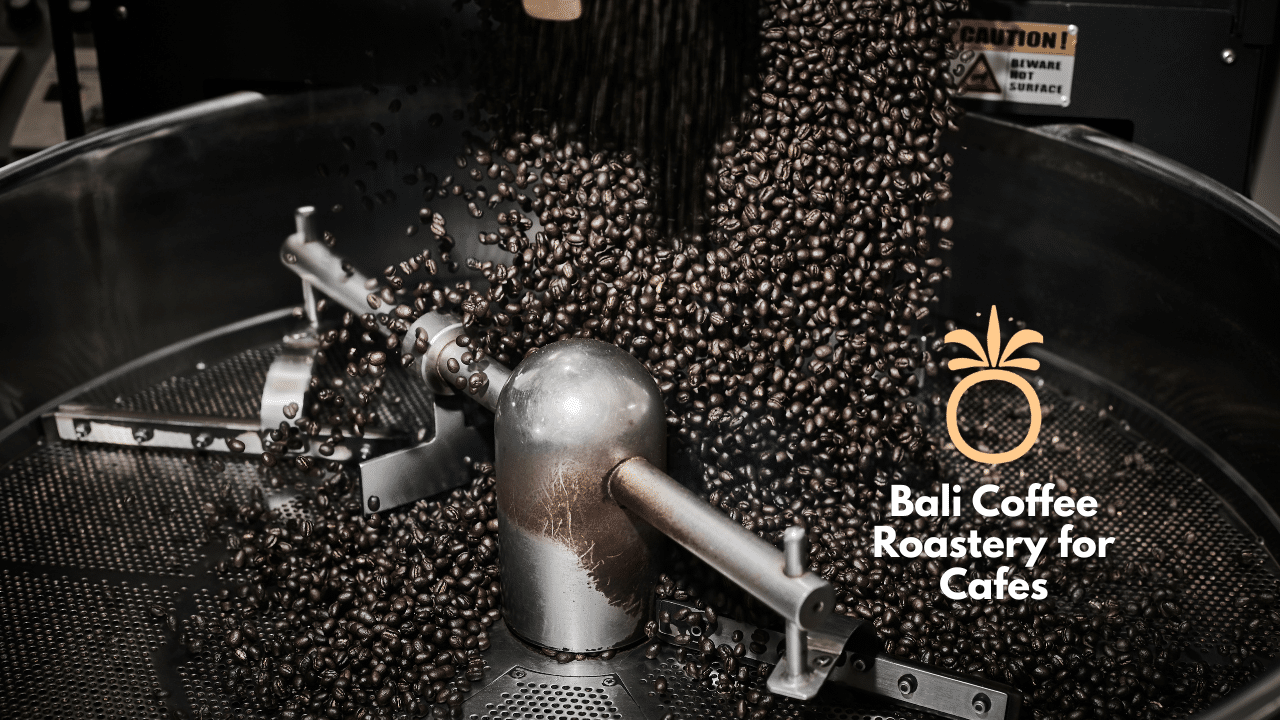
Bali Coffee Roastery for Cafes: How to Choose the Best Coffee Supplier for Your Business
Bali Coffee Roastery for Cafes - Running a café in Bali means operating in one of Indonesia’s most vibrant coffee markets. Customers are increasingly knowledgeable about coffee, from espresso quality and bean origins to milk texture and brewing methods. Choosing the right Bali Coffee Roastery for Cafes is therefore not simply a purchasing decision; it is an important investment in your café’s identity, customer experience, and long-term profitability.
Royal Hindia provides a reliable Bali Coffee Roastery for Cafes solution for businesses that want to serve memorable coffee consistently. Whether your café focuses on specialty coffee, brunch, tropical lifestyle, coworking, or casual takeaway drinks, the right coffee supplier can help turn a first-time visitor into a returning customer.
Why Local Coffee Roasting Matters
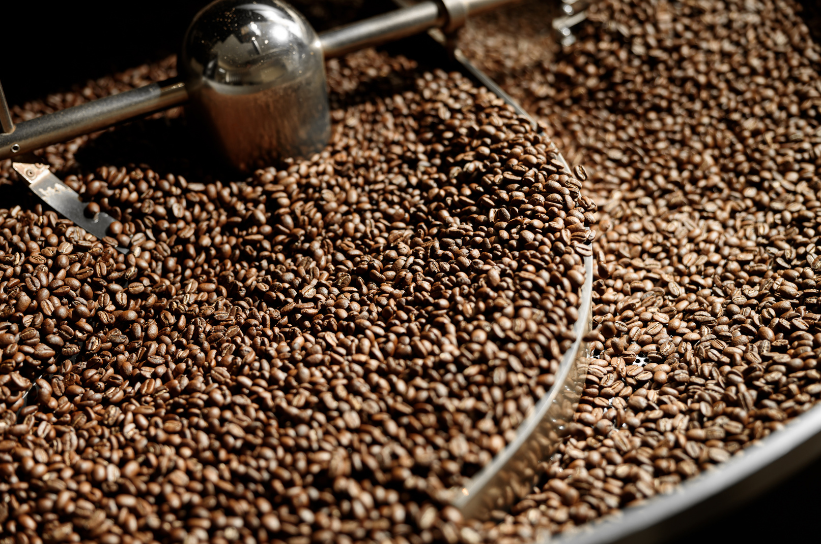
Working with a Bali Coffee Roastery for Cafes gives business owners better access to freshly roasted beans. Freshness matters because coffee changes after roasting. When beans are handled and brewed within the right period, they can deliver more aroma, sweetness, body, and complexity in every cup.
A local Bali Coffee Roastery for Cafes also makes communication easier. Instead of selecting coffee blindly from a distant supplier, café owners can discuss roast profiles, flavor preferences, menu needs, and stock planning directly with the roastery team. This creates a stronger foundation for consistent coffee service.
Royal Hindia understands that each café has its own personality. As a trusted Bali Coffee Roastery for Cafes partner, Royal Hindia can help businesses select coffee that fits their concept, equipment, menu pricing, and customer preferences.
Define Your Café Concept First
Before choosing a Bali Coffee Roastery for Cafes, take time to understand your café’s core concept. Is your business designed for international tourists, local communities, digital nomads, families, office workers, or coffee enthusiasts? The answer will influence the coffee profile that best supports your menu.
For example, a busy café with many milk-based drinks may need a balanced espresso blend with chocolate, caramel, or nutty notes. This type of coffee is approachable, easy to enjoy, and performs well in cappuccinos, lattes, flat whites, and iced coffee. A dependable Bali Coffee Roastery for Cafes should be able to recommend a blend that stays consistent during high-volume service.
Meanwhile, a specialty-focused café may prefer single-origin beans with distinctive tasting notes, such as tropical fruit, berries, florals, or citrus. Royal Hindia, as a Bali Coffee Roastery for Cafes provider, can support cafés that want to introduce customers to the unique stories behind Indonesian coffee.
Prioritize Coffee Freshness
Freshly roasted coffee is one of the most important standards when choosing a Bali Coffee Roastery for Cafes. Beans that have been stored for too long may lose aromatic intensity and produce a flatter taste in the cup. While coffee needs time to rest after roasting, it should still arrive at the café within an appropriate freshness window.
Always ask suppliers to provide clear roast dates on their packaging. A professional Bali Coffee Roastery for Cafes will generally include product details such as coffee origin, processing method, roast level, tasting notes, and recommended brewing methods. This information helps baristas understand how to handle the coffee correctly.
Royal Hindia recognizes that cafés need dependable supply without sacrificing freshness. A quality Bali Coffee Roastery for Cafes should offer practical ordering schedules and stable stock availability, especially for cafés that serve a high number of customers each day.
Look for Consistent Flavor Quality
Great coffee is not only about one excellent batch. It is about delivering a familiar and satisfying taste every time a customer orders. This is why consistency should be a priority when selecting a Bali Coffee Roastery for Cafes.
Customers may forgive a small delay in service, but they are less likely to return if their favorite latte tastes rich one week and overly bitter the next. A professional Bali Coffee Roastery for Cafes should have strong quality-control practices, including regular cupping sessions, roast profiling, and batch evaluation.
Royal Hindia aims to deliver reliable coffee quality for daily café operations. As a Bali Coffee Roastery for Cafes partner, the brand understands that stable flavor helps baristas work efficiently and helps café owners build trust with their customers.
Before making a long-term commitment, request coffee samples or arrange a cupping session. This allows you to compare several options from a Bali Coffee Roastery for Cafes based on aroma, body, sweetness, acidity, aftertaste, and compatibility with your menu.
Match Beans with Your Equipment
Coffee beans must work well with the equipment in your café. Your espresso machine, grinder, water quality, brewing recipes, and barista skills all influence the final result. For that reason, a supportive Bali Coffee Roastery for Cafes should not only sell beans but also offer practical product recommendations.
Medium to medium-dark roast profiles are often suitable for espresso-based beverages because they can provide fuller body and chocolate-forward flavors. Light to medium roasts may be better for manual brewing methods such as V60, Aeropress, Kalita Wave, or batch brew. The best Bali Coffee Roastery for Cafes will help you select beans according to the drinks you serve most often.
Royal Hindia can assist café teams in finding coffee that is enjoyable for customers and manageable for baristas. This guidance is valuable because a great bean can still perform poorly when the grind setting, dose, yield, or extraction time is not properly adjusted.
Balance Quality and Business Margin
Price should always be considered, but it should not be the only deciding factor. Choosing the cheapest Bali Coffee Roastery for Cafes option may create hidden costs if the beans are inconsistent, difficult to dial in, or produce frequent waste during service.
Calculate your coffee cost per cup carefully. Include the amount of coffee used, milk, sweeteners, cups, ice, staff time, overhead, and expected profit margin. A transparent Bali Coffee Roastery for Cafes can help you identify coffee options that meet your quality standards while remaining suitable for your budget.
Royal Hindia supports café businesses that want to grow sustainably. As a Bali Coffee Roastery for Cafes partner, Royal Hindia focuses on helping owners find the right balance between product quality, operational efficiency, and customer satisfaction.
Evaluate Support and Communication
A strong relationship with a coffee supplier should continue after delivery. The right Bali Coffee Roastery for Cafes should be responsive when you need help with changing stock needs, seasonal menu planning, brewing adjustments, or customer feedback.
This support becomes especially important when your café launches a new menu, opens another branch, hosts an event, or experiences a sudden rise in customer traffic. A responsive Bali Coffee Roastery for Cafes gives business owners confidence that their coffee program can adapt as the business grows.
Royal Hindia works to become more than a bean supplier. Through product selection, coffee knowledge, and a commitment to café partnerships, Royal Hindia provides a Bali Coffee Roastery for Cafes service designed to support businesses in Bali’s competitive hospitality industry.
Final Thoughts
Choosing the right Bali Coffee Roastery for Cafes can shape the way customers remember your business. Fresh beans, consistent flavor, suitable pricing, responsive service, and coffee that matches your café concept are all essential factors in creating a successful coffee program.
Royal Hindia is a strong option for café owners looking for a Bali Coffee Roastery for Cafes partner that understands quality, consistency, and business needs. With the right supplier, every cup can become an opportunity to strengthen your brand and encourage customers to return.
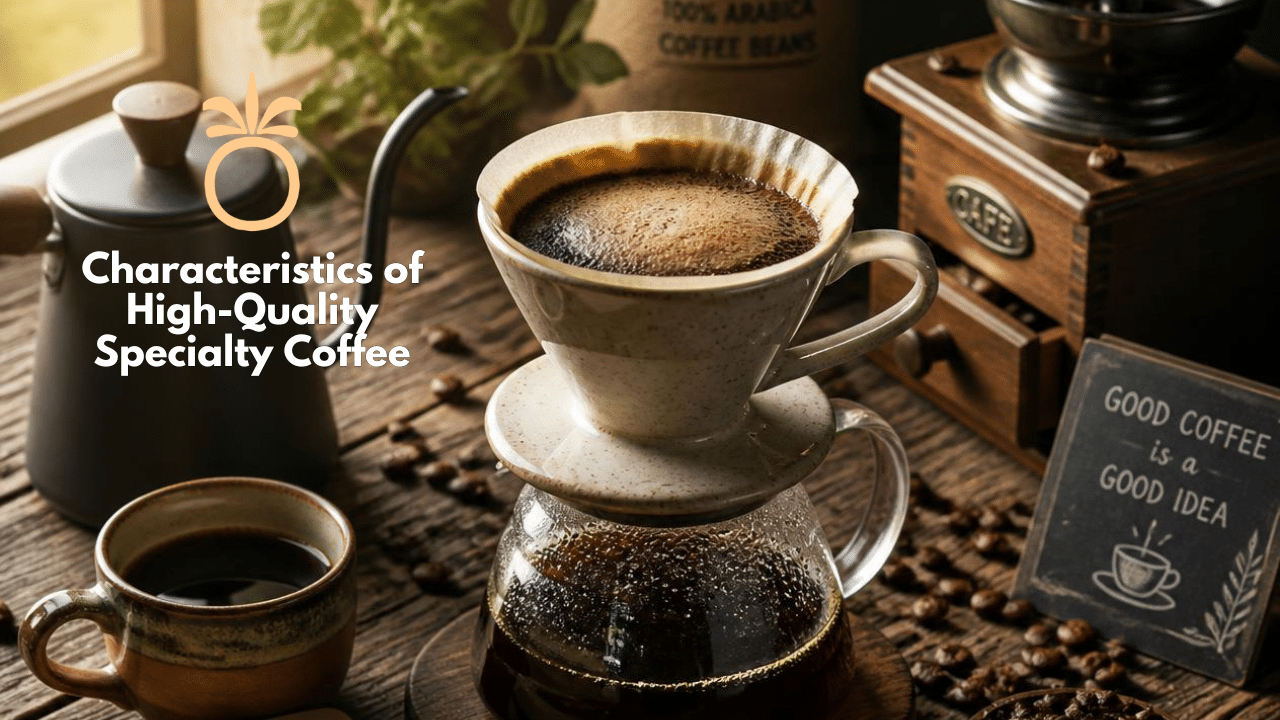
Characteristics of High-Quality Specialty Coffee: A Complete Guide to Identifying Premium Coffee
Characteristics of High-Quality Specialty Coffee - Specialty coffee has become the preferred choice for coffee enthusiasts who value quality, craftsmanship, and authenticity. Unlike mass-produced commercial coffee, specialty coffee focuses on excellence throughout every stage of production, from cultivation and harvesting to processing, roasting, and brewing. Understanding the Characteristics of High-Quality Specialty Coffee allows consumers to appreciate the complexity of premium coffee while making informed purchasing decisions.
As global demand for premium coffee continues to grow, more consumers are looking beyond caffeine and seeking unique flavor experiences. They want to know where their coffee comes from, how it was processed, and what makes one coffee superior to another. This is where understanding the Characteristics of High-Quality Specialty Coffee becomes essential.
As a specialty coffee roaster committed to delivering exceptional quality, Royal Hindia sources carefully selected coffee beans from Indonesia's finest coffee-growing regions. Every batch is roasted with precision to preserve the natural flavors and distinctive characteristics of each origin. This guide explores everything you need to know about the Characteristics of High-Quality Specialty Coffee and how to recognize truly premium coffee.
What Is Specialty Coffee?
 What Is Specialty Coffee?
Before discussing the Characteristics of High-Quality Specialty Coffee, it is important to understand what specialty coffee actually means.
Specialty coffee refers to coffee beans that receive a score of at least 80 points on a 100-point scale established by the Specialty Coffee Association (SCA). Certified Q Graders evaluate the coffee based on several quality attributes, including aroma, flavor, acidity, body, sweetness, aftertaste, balance, and overall cleanliness in the cup.
Unlike commercial coffee, which often prioritizes volume and consistency, specialty coffee emphasizes quality at every stage. Farmers selectively harvest only ripe coffee cherries, processors carefully manage fermentation, and roasters develop roasting profiles designed to highlight each coffee's unique characteristics.
These standards are what define the Characteristics of High-Quality Specialty Coffee and distinguish it from ordinary coffee products.
Why Are the Characteristics of High-Quality Specialty Coffee Important?
Understanding the Characteristics of High-Quality Specialty Coffee benefits everyone, from professional baristas to casual coffee drinkers.
By recognizing these characteristics, you can:
- Choose genuinely premium coffee instead of marketing-driven products.
- Understand the differences between coffee origins.
- Discover flavor profiles that match your personal preferences.
- Appreciate the craftsmanship behind every cup.
- Support sustainable farming practices and ethical sourcing.
The more consumers understand the Characteristics of High-Quality Specialty Coffee, the greater their appreciation for the dedication required to produce exceptional coffee.
Key Characteristics of High-Quality Specialty Coffee
1. Carefully Selected Coffee Beans
The first and perhaps most important of all Characteristics of High-Quality Specialty Coffee is the use of carefully selected coffee beans.
Specialty coffee producers harvest only fully ripe coffee cherries. Unripe, overripe, damaged, or defective cherries are removed during multiple sorting stages to ensure only the highest-quality beans continue through production.
This meticulous selection process significantly improves consistency, sweetness, and overall flavor quality.
Royal Hindia applies strict quality control during sourcing to ensure every batch begins with premium green coffee beans capable of producing outstanding results.
2. Complete Traceability
Another defining aspect of the Characteristics of High-Quality Specialty Coffee is transparency.
Premium specialty coffee typically provides detailed information about its origin, including:
- Coffee-growing region
- Farm or producer
- Altitude
- Coffee variety
- Processing method
- Roast date
- Tasting notes
Traceability allows consumers to understand the story behind their coffee while providing confidence in its quality and authenticity.
Royal Hindia believes transparency builds trust, which is why detailed origin information accompanies every specialty coffee selection.
3. Complex and Pleasant Aroma
One of the easiest ways to recognize the Characteristics of High-Quality Specialty Coffee is through its aroma.
Freshly roasted specialty coffee often releases multiple layers of fragrance immediately after opening the bag or grinding the beans.
Common aromatic notes include:
- Chocolate
- Caramel
- Brown sugar
- Honey
- Citrus
- Tropical fruits
- Berries
- Floral notes
- Vanilla
- Jasmine
These aromas indicate that the coffee has been carefully cultivated, processed, and roasted to preserve its natural complexity.
4. Clean and Well-Defined Flavor
A clean cup is another essential indicator among the Characteristics of High-Quality Specialty Coffee.
A clean flavor means the coffee is free from undesirable tastes such as mold, excessive fermentation, smoke, earthy defects, or stale flavors.
Instead, each sip should present distinct flavor notes that are easy to identify while maintaining excellent balance.
For example, some Indonesian coffees display chocolate and spice characteristics, while others offer bright citrus flavors, floral aromas, or tropical fruit sweetness depending on their origin.
Royal Hindia carefully develops roasting profiles that enhance these natural flavors without overpowering them through excessive roasting.
5. Bright and Balanced Acidity
Many people misunderstand acidity in coffee.
Within the Characteristics of High-Quality Specialty Coffee, acidity refers to a pleasant brightness that enhances complexity rather than unpleasant sourness.
High-quality acidity may resemble the freshness of:
- Lemon
- Orange
- Green apple
- Peach
- Grapes
- Mixed berries
Balanced acidity creates a lively and refreshing cup while complementing sweetness and body. Rather than dominating the flavor, it contributes to harmony and depth throughout the tasting experience.
6. Natural Sweetness
Another defining feature among the Characteristics of High-Quality Specialty Coffee is natural sweetness.
Unlike flavored coffee products, specialty coffee develops sweetness naturally from properly ripened coffee cherries and careful post-harvest processing.
When cultivation, harvesting, fermentation, drying, and roasting are executed correctly, the resulting coffee displays pleasant sweetness similar to caramel, brown sugar, honey, or ripe fruit.
Royal Hindia carefully controls each roasting profile to preserve this natural sweetness while allowing the coffee's origin characteristics to remain the primary focus of every cup.
7. Balanced Body and Mouthfeel
Another important aspect of the Characteristics of High-Quality Specialty Coffee is its body, often referred to as mouthfeel. Body describes the physical sensation of coffee on the palate, ranging from light and tea-like to rich and creamy.
A premium specialty coffee does not necessarily have to possess a heavy body. Instead, it should achieve harmony between body, acidity, sweetness, aroma, and flavor. Every element should complement one another without overwhelming the overall tasting experience.
Different coffee origins naturally produce different body characteristics. High-altitude Arabica coffees often feature a lighter, silky body with vibrant acidity, while other origins may deliver a fuller, creamier texture.
At Royal Hindia, every roasting profile is carefully developed to preserve the ideal body of each coffee origin while maintaining balance throughout the cup.
8. A Long and Pleasant Aftertaste
Among the most appreciated Characteristics of High-Quality Specialty Coffee is its lingering aftertaste.
Aftertaste refers to the flavors and sensations that remain after swallowing the coffee. High-quality specialty coffee leaves behind a clean, enjoyable finish that may last for several minutes.
Depending on the origin and processing method, you may notice lingering notes of:
- Dark chocolate
- Caramel
- Honey
- Brown sugar
- Citrus
- Stone fruits
- Berries
- Floral sweetness
A long, pleasant aftertaste demonstrates that the coffee has been carefully processed, expertly roasted, and brewed to highlight its finest qualities.
In contrast, lower-quality coffee often leaves harsh bitterness, excessive smokiness, or unpleasant earthy flavors that quickly dominate the palate.
9. Precision Processing and Roasting
The Characteristics of High-Quality Specialty Coffee extend far beyond the coffee farm. Every processing stage plays a critical role in determining the final cup quality.
Common specialty coffee processing methods include:
- Washed Process
- Natural Process
- Honey Process
- Anaerobic Fermentation
Each method produces unique flavor characteristics while requiring strict quality control throughout fermentation, drying, and storage.
Roasting is equally important. Rather than roasting every coffee using a standard profile, specialty coffee roasters carefully develop individual roast profiles that maximize each origin's unique flavor potential.
Royal Hindia approaches roasting as both a science and an art, ensuring every batch reflects the natural character of the coffee bean instead of masking it with excessive roast flavors.
10. Minimal Bean Defects
Another defining factor in the Characteristics of High-Quality Specialty Coffee is the extremely low number of defective beans.
Coffee defects may include:
- Insect-damaged beans
- Broken beans
- Black beans
- Mold-damaged beans
- Immature beans
- Over-fermented beans
These defects negatively affect flavor consistency and overall cup quality.
Specialty coffee undergoes rigorous hand sorting and quality inspection to remove defective beans before roasting. This meticulous attention to detail ensures a cleaner, sweeter, and more balanced cup.
Royal Hindia follows strict quality control procedures to ensure that every coffee selection consistently meets premium specialty coffee standards.
How to Choose High-Quality Specialty Coffee
After understanding the Characteristics of High-Quality Specialty Coffee, selecting premium coffee becomes much easier. Consider the following factors before making your purchase.
Check the Coffee Origin
Always choose coffee that clearly states its origin, altitude, variety, processing method, roast date, and tasting notes. Transparent information reflects the producer's commitment to quality.
Buy Freshly Roasted Coffee
Freshness has a significant impact on aroma and flavor. Coffee is generally at its best within several weeks after roasting, allowing its natural characteristics to shine.
Match the Flavor Profile to Your Preference
If you enjoy fruity and vibrant coffees, select beans with tasting notes such as berries, citrus, or tropical fruits. If you prefer richer flavors, choose coffees featuring chocolate, caramel, nuts, or brown sugar.
Purchase from a Trusted Specialty Roaster
Choosing an experienced specialty coffee roaster ensures that every stage—from sourcing and roasting to packaging—is handled according to high-quality standards.
Royal Hindia is dedicated to delivering specialty coffee that consistently reflects the authentic character of Indonesia's finest coffee-growing regions.
Why Choose Royal Hindia?

Finding exceptional specialty coffee requires more than simply purchasing premium beans. It requires trust in a roaster that prioritizes quality, consistency, and transparency throughout the entire production process.
Royal Hindia carefully sources premium green coffee from selected farms across Indonesia. Every batch undergoes strict quality evaluation before being roasted using carefully developed roast profiles designed to highlight each coffee's natural sweetness, aroma, acidity, and body.
Whether you are a home brewer, café owner, professional barista, or specialty coffee enthusiast, Royal Hindia offers a diverse selection of premium coffees that showcase the remarkable diversity of Indonesian coffee.
By maintaining these high standards, Royal Hindia consistently delivers the Characteristics of High-Quality Specialty Coffee that coffee lovers expect from a premium specialty coffee brand.
Conclusion
Understanding the Characteristics of High-Quality Specialty Coffee enables coffee lovers to make better purchasing decisions while gaining a deeper appreciation for the craftsmanship behind every cup. From carefully selected beans and transparent sourcing to balanced acidity, natural sweetness, clean flavors, pleasant body, long-lasting aftertaste, and precision roasting, each characteristic contributes to an exceptional coffee experience.
Choosing specialty coffee from a trusted roaster like Royal Hindia ensures that every cup reflects the dedication of skilled farmers, experienced roasters, and rigorous quality control. Whether you are just beginning your specialty coffee journey or are already an experienced coffee enthusiast, recognizing the Characteristics of High-Quality Specialty Coffee will help you enjoy premium coffee with greater confidence and appreciation.