


Why Is Specialty Coffee Expensive? – A cup of specialty coffee can cost noticeably more than an ordinary cup of coffee. But Why Is Specialty Coffee Expensive when coffee is ultimately made from the same basic ingredient: roasted coffee beans?
The answer goes far beyond the beans themselves. The price of specialty coffee reflects a combination of farming practices, selective harvesting, processing, traceability, quality control, roasting expertise, and the effort required to preserve desirable characteristics from the farm to the final cup.
For coffee enthusiasts and cafes, understanding these factors makes the price easier to evaluate—and reveals why higher-priced coffee can deliver significantly more value.
 Why Is Specialty Coffee Expensive in the First Place?
 Why Is Specialty Coffee Expensive in the First Place?
To understand Why Is Specialty Coffee Expensive, start at the farm.
Specialty coffee generally requires greater attention to growing conditions, harvesting, processing, and quality control. Coffee cherries need to be harvested at the right level of ripeness rather than collected indiscriminately.
Selective harvesting requires more labor. Workers need to identify ripe cherries and leave underdeveloped or overripe fruit for later collection.
That additional labor directly affects production costs.
The result, however, can be a cleaner and more expressive coffee with characteristics that are difficult to achieve through high-volume harvesting.
Specialty Coffee Starts With Better Green Beans
One of the biggest factors behind the price of specialty coffee is the quality of the green beans.
Coffee quality can be influenced by altitude, soil, climate, coffee variety, farming methods, and post-harvest processing. Certain growing regions naturally produce distinctive flavor profiles because of their environmental conditions.
For Specialty Coffee Bali, these factors are particularly interesting because Bali has established coffee-growing areas with different elevations, microclimates, and processing traditions.
A high-quality coffee may offer recognizable notes such as citrus, tropical fruit, chocolate, caramel, nuts, spices, or floral characteristics.
These flavor differences are not simply added during roasting. They begin with the coffee plant and how the cherries are cultivated and processed.
Labor and Selective Harvesting Add Real Costs
When asking Why Is Specialty Coffee Expensive, labor is one of the most important factors to consider.
Producing specialty-grade coffee often requires careful harvesting and sorting. Coffee cherries must be selected according to ripeness, then processed with attention to consistency.
This is very different from treating coffee as a purely agricultural commodity.
More labor is required to maintain quality at multiple stages, from picking and sorting to drying and storage.
For farmers, higher production costs can be justified when buyers recognize quality and support better prices for carefully produced coffee.
Processing Can Change the Value of Coffee
The processing method also contributes to the final character and value of specialty coffee.
Common methods include washed, natural, honey, and other variations. Each method requires different handling and can influence the coffee’s sweetness, acidity, body, clarity, and fruit characteristics.
Natural processing, for example, requires careful drying and monitoring to prevent unwanted fermentation or defects.
Washed processing involves additional water and processing steps to remove the fruit from the coffee seed.
These processes require knowledge, infrastructure, time, and quality control.
Therefore, Why Is Specialty Coffee Expensive cannot be answered by looking only at the cost of harvesting. What happens after harvesting can be equally important.
Traceability Is Part of the Value
Another factor that separates specialty coffee from commodity coffee is traceability.
A specialty coffee may be associated with a specific farm, cooperative, region, variety, elevation, or processing method. This information allows buyers and consumers to understand more about where their coffee comes from.
Traceability can also create stronger relationships between producers, roasters, cafes, and consumers.
For a cafe, knowing the origin and characteristics of a coffee can become part of the customer experience. Instead of simply selling “coffee,” the business can communicate the story and sensory identity behind the cup.
Why Roasting Expertise Matters
Green coffee still needs to be transformed into a finished product that can express its potential.
This is where the roaster plays a critical role.
Roasting is not simply about making beans darker. Temperature, time, development, airflow, and roast progression can all affect the final flavor.
A skilled roaster develops a profile that works with the characteristics of the green bean.
For Specialty Coffee Bali, this can mean highlighting the natural sweetness, acidity, body, or distinctive regional character instead of covering those qualities with excessive roasting.
At Royal Hindia, the roasting process is an important part of translating quality green beans into a coffee experience suitable for enthusiasts, cafes, and hospitality businesses.
Quality Control Means Less Room for Defects
Another answer to Why Is Specialty Coffee Expensive is the amount of quality control involved.
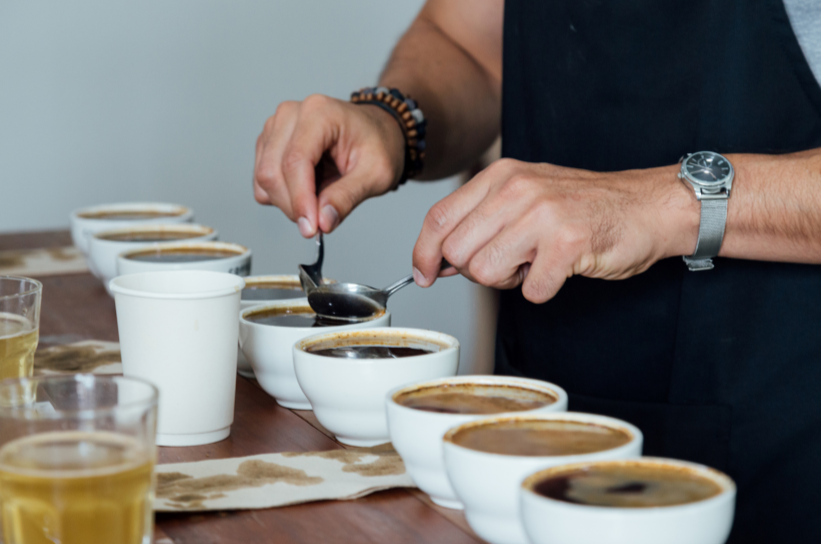
Specialty coffee requires attention to defects at multiple stages. Green beans may be evaluated before roasting, while roasted coffee can be assessed through cupping and brewing.
Cupping allows professionals to evaluate aroma, acidity, sweetness, body, balance, aftertaste, and overall flavor quality.
This process takes time and expertise, but it reduces the risk of delivering inconsistent coffee.
For cafes, consistency can be particularly valuable. Customers may return because they know what to expect from their favorite coffee.
You’re Paying for Flavor, Not Just Caffeine
At the most basic level, coffee provides caffeine. But specialty coffee is purchased for a broader sensory experience.
When considering Why Is Specialty Coffee Expensive, think about the difference between drinking coffee simply for stimulation and drinking coffee to appreciate its aroma, texture, sweetness, acidity, and origin.
A specialty coffee may provide a more complex and memorable experience because more effort has gone into preserving and expressing those characteristics.
This is especially relevant for cafes that use coffee as part of their brand identity.
Is Specialty Coffee Actually Worth the Price?
 Is Specialty Coffee Actually Worth the Price?
Whether specialty coffee is worth the additional cost depends on what you value.
For someone who only wants caffeine, a premium specialty bean may not provide enough additional value to justify the price.
For coffee enthusiasts, specialty cafes, hotels, and restaurants, the calculation can be very different.
Better coffee can support menu differentiation, improve customer experience, and give a business a stronger product story.
For cafes looking to source higher-quality beans, exploring Premium Coffee Beans for Cafes can be a useful starting point.
The value becomes clearer when coffee quality is considered as part of the overall customer experience rather than simply as a raw ingredient.
The Real Answer to Why Is Specialty Coffee Expensive
So, Why Is Specialty Coffee Expensive?
Because producing it requires more attention at almost every stage.
Farmers invest more effort in cultivation and selective harvesting. Producers carefully manage processing and drying. Buyers evaluate quality and traceability. Roasters develop profiles designed to express the bean. Finally, cafes and baristas need the right equipment and skills to extract those characteristics properly.
The price represents the accumulated work required to produce a better and more distinctive cup.
For Specialty Coffee Bali, that value can also come from the unique relationship between origin, farming environment, processing, roasting, and the local coffee culture.
Explore Specialty Coffee With Royal Hindia
Understanding Why Is Specialty Coffee Expensive changes the way you look at the price of a cup. Instead of paying only for roasted beans, you are paying for agricultural work, careful processing, quality control, roasting expertise, and a more intentional coffee experience.
If you are a cafe owner, coffee enthusiast, or hospitality business looking for quality beans from Bali, explore Royal Hindia’s specialty coffee selection and discover what careful sourcing and roasting can bring to the cup.
You can also follow Royal Hindia on Instagram to discover more about its coffee, roasting work, and latest offerings.